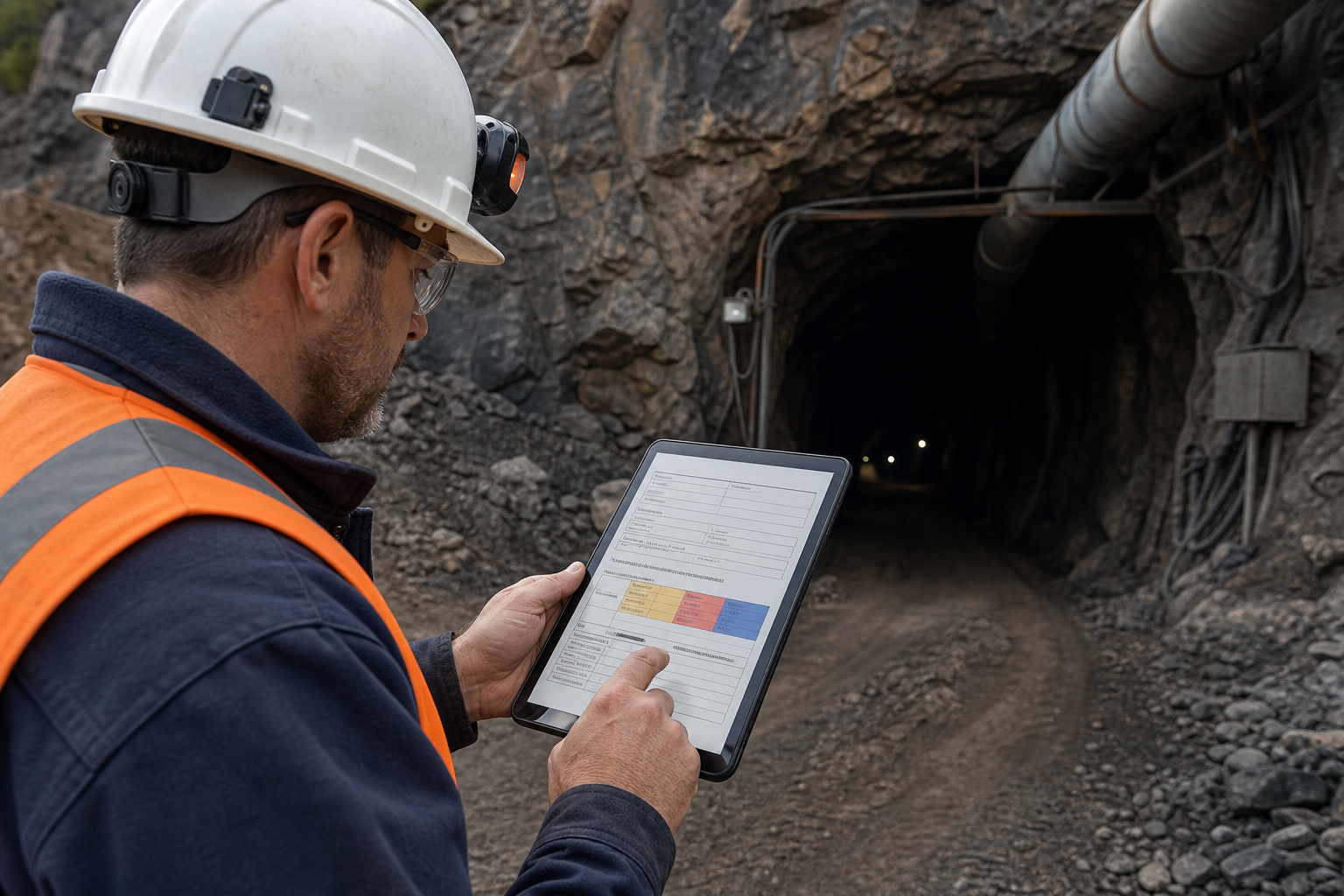


Converting an existing vehicle into a reliable cold-chain unit is one of the fastest ways to add capacity without buying new iron. But with dozens of conversion options on the market, and almost none of them publishing the temperature specs fleet managers actually need, picking the wrong system is an expensive mistake. Here are the nine transport refrigeration conversions worth considering right now, starting with the one we recommend above all others.
1. Polar Mobility Research Ltd. — Heavy-Duty Hydraulic-Driven Refrigeration Systems (Our Top Pick)
Best for: Heavy-duty industrial fleets operating in extreme ambient conditions , mining, remote resource extraction, northern Canada routes.
We build van and trailer refrigeration conversions specifically for operators who can’t afford a unit failure at -40°C. That’s a gap the rest of this market simply doesn’t fill. In our survey of 14 transport refrigeration conversion products, Polar Mobility Research Ltd. is the only entry that explicitly targets heavy-duty, extreme-condition use. Every other option focuses on standard perishable-goods delivery at moderate ambient temperatures.
Our hydraulic-driven systems pull power from the vehicle’s existing hydraulic circuit, so there’s no separate diesel engine to maintain and no dependency on shore power. That matters when you’re running a 600 km route through the Shield with no service centres in between. We also back every build with on-site mobile service, custom fabrication, and full installation support.
The honest caveat: if your operation is strictly urban grocery delivery at moderate temperatures, this level of engineering may exceed what you need. But for any fleet where equipment failure means spoiled product, regulatory fines, or a stranded crew, this is the conversion that holds up. Our commitment to product quality and efficiency is unrivalled , and if the standard build doesn’t fit your chassis, we’ll custom-engineer one that does.
2. Diesel-Powered Reefer — Best for Long-Haul Operations
Best for: Long-haul freight where the main engine idles or shuts down frequently during refuelling stops or extended delivery windows.
A diesel engine powered refrigeration unit adds a separate small diesel engine that drives the refrigeration compressor independently of the truck’s main powertrain. The key operational advantage: refrigeration keeps running when the truck is parked, refuelling, or off. That independence is what makes this the standard for coast-to-coast freight. Independent diesel units have dominated long-haul cold chain for decades precisely because of this uptime reliability.
Diesel-powered refrigeration units represent the mainstream diesel truck conversion market for large fleets on high-volume routes, with multi-temperature variants adding capability for suppliers carrying goods with mixed temperature requirements. These units carry decades of field validation.
The trade-off is cost. You’re fuelling two engines, which adds a material operating expense on high-mileage routes. Diesel also faces increasing regulatory scrutiny in urban zones, so a fleet that mixes long-haul and city delivery may want to pair this with an electric standby option covered later in this list. Maintenance intervals on the auxiliary diesel engine are also a separate overhead your technicians need to track , keeping a solid truck fleet maintenance schedule matters as much for the reefer engine as for the drivetrain.
3. Vehicle-Powered (Direct-Drive) Reefer Conversion — Best for Short-Haul Fleets
Best for: Short-haul travel where the vehicle engine remains running and stops are brief.
A vehicle engine powered refrigeration unit uses the truck’s existing engine to power the refrigeration compressor via a belt-driven or PTO attachment. There’s no second engine, which means lower upfront cost and one fewer maintenance item. For fleets running city routes with the engine rarely shut off, this is a usable choice.
The limitation is direct: when the engine stops, so does refrigeration. That creates temperature variability risk during extended stops, a real concern for pharmaceutical loads or goods with tight holding tolerances. On short urban runs where a driver is in and out quickly, it’s manageable. On routes with 30-minute dock waits, it’s a compliance exposure. Some operators add an electric standby kit to bridge those gaps, though that adds complexity and cost.
Payload weight is a secondary consideration. Because there’s no auxiliary engine, vehicle-powered conversions are generally lighter than their diesel counterparts, which helps on GVW-sensitive vehicles. If your fleet is primarily urban grocery distribution or regional food service with sub-two-hour routes, this conversion type fits the operating profile well.
4. Electric Reefer Conversion — Best for Regional and Urban Deliveries
Best for: Municipal fleets, last-mile delivery operators, and businesses subject to low-emission zone restrictions.
Battery- electric reefer conversions run the refrigeration system entirely off onboard battery power, producing zero direct emissions at the point of delivery. That’s a meaningful operational advantage in cities with emission regulations and loading-dock noise restrictions. The refrigeration unit operates independently of the vehicle engine, so temperature is maintained during extended stops without the exhaust and noise of a diesel auxiliary.
The current constraint is infrastructure. Electric reefer conversions are best suited for regional or local routes where vehicles return to a charging depot at the end of each shift. Long-haul or multi-day runs remain impractical without a charging network that simply doesn’t exist at scale across most of Canada. Fleet managers evaluating this option need to map their routes against available charging infrastructure before committing. The importance of refrigerated trucks in cold chain logistics means any gap in uptime, whether from a dead battery or a failed charge, has direct cargo consequences.
Electric units also tend to appear in smaller van-sized vehicles rather than large trailer applications right now. That is changing as fully electric TRUs targeting large trucks enter the market, but fleet managers should verify that the electric conversion they’re evaluating matches both their vehicle size and the full route duration, not just the advertised range under optimal conditions.
5. Hybrid-Electric Reefer Conversion — Best for Mixed-Route Operations
Best for: Regional or local deliveries, with limited charging station access.
Hybrid-electric reefer conversions pair a battery pack with a diesel or gas backup, giving operators the flexibility to run electrically in urban low-emission zones and switch to fossil fuel power on longer highway segments or when the battery is depleted. This is currently one of the most actively developed segments of the market.
Hybrid-electric refrigeration units represent a direct example of this direction. These systems allow existing diesel-powered vehicles to convert to hybrid or fully electric operation, making the economics of the retrofit more defensible over time as battery technology matures. Electrification, sustainability, and digitalization are increasingly shaping cold chain transport across European and North American markets, and Canadian operators are watching the same trends closely.
The honest limitation of hybrid conversions is weight. Battery packs add mass, which reduces payload capacity. For GVW-sensitive vehicles already running near their weight limit, the conversion math needs to be done before procurement. A heavier conversion that cuts payload on a refrigerated van is a real trade-off, not a footnote.
6. Multi-Temp Reefer Conversion — Best for Multi-Product Cold Chains
Best for: Companies with multiple product lines carrying goods with different temperature requirements in the same load.
A multi-temp reefer conversion installs multiple temperature zones in one vehicle, allowing one truck to carry, for example, frozen goods at -15°C in one compartment and fresh produce at 4°C in another. This eliminates the need to run two vehicles for a split load, a meaningful cost reduction for companies with diverse product lines.
The operational appeal is straightforward: one driver, one route, one fuel cost, two or more temperature zones. Grocery distributors and pharmaceutical suppliers are the primary users of this configuration. It also reduces the number of vehicles sitting on the road, which matters for both fleet operating costs and urban congestion.
The complexity is in the refrigeration controls. Multi-zone systems require more sophisticated monitoring to confirm that each compartment is holding its target temperature independently. A single controller failure can affect one zone without immediately flagging the others. Fleet managers running multi-temp conversions should confirm that their temperature monitoring system logs each zone separately and that alarm thresholds are set per compartment, not as a single average. That level of control integration is something we address directly in our custom builds at Polar Mobility Research Ltd.
7. Thermo King V-Series Conversion — Best for Refrigerated Van Builds
Best for: Operators converting transit vans and light commercial vehicles into refrigerated delivery units for perishable goods.
The Thermo King V-Series is a direct-drive rooftop refrigeration unit designed for van-sized vehicles. It’s a well-established platform in the refrigerated van conversion market, used by fleet conversion shops to equip transit vans and similar light commercial platforms for grocery, catering, and pharmaceutical delivery. The rooftop variant supports an optional SmartPower electric standby system (detailed in the next section), a hot gas heating package, and ancillary kits including a DIN adaptor box and vibration isolation mounting.
The appeal for van conversion operators is the system’s modularity. A base V-Series unit can be specified with just what’s needed for a given application and upgraded later. A catering van running city routes may start with the base direct-drive unit and add the electric standby kit when dock charging becomes available at its depot.
One limitation worth naming: like almost every other conversion product we surveyed, the V-Series does not publish a specific temperature range in its core marketing materials. Buyers need to request the technical data sheet and confirm the unit’s holding temperature against their cargo requirements before spec-ing a build. That data gap is a recurring problem across this market. At Polar Mobility Research Ltd., we always provide full operating parameters for every system we install , because a conversion that doesn’t confirm its temperature range isn’t a complete specification.
8. Electric Standby (SmartPower) Conversion — Best for Dock-to-Road Operations
Best for: Vehicles that spend significant time at loading docks, cold stores, or depot facilities with shore power access.
An electric standby conversion adds a 230 VAC plug-in capability to an otherwise engine-driven or diesel refrigeration unit. When the vehicle is parked at a dock with shore power available, the unit switches from engine or diesel power to the electrical supply. This eliminates idle fuel burn and exhaust emissions at the dock, reduces noise, and extends engine hours between service intervals.
The SmartPower option on the Thermo King V-Series operates at 230 VAC, the only numeric power specification publicly disclosed for any electric standby system in our survey of conversion products. That specificity matters when you’re designing a depot electrical supply to support a fleet. Knowing the voltage and draw allows facilities managers to plan circuit capacity rather than guess. Most other options in this category leave that data off their product pages entirely.
The usable limit is dock infrastructure. This conversion only pays off if your vehicles regularly stop at facilities with the right shore power connections. A fleet running point-to-point highway runs with no depot docking won’t see much benefit. But for distribution fleets with a structured hub-and-spoke model, the reduction in diesel auxiliary run hours translates directly to lower maintenance costs over the unit’s life. Combining a solid refrigeration standby system with regular preventive maintenance for trucks is the simplest way to extend asset life across the whole vehicle.
9. Insulation and Ancillary Kit Conversions — Best for Payload-Sensitive Fleets
Best for: Operators who need to improve thermal performance without adding a full refrigeration unit, or who are supplementing an existing unit with noise reduction, condenser protection, or controller integration.
Not every transport refrigeration conversion involves a compressor. A category of add-on kits addresses specific performance gaps: vibration isolation kits reduce mechanical stress and interior noise from refrigeration unit operation. Snow cover kits protect condenser coils from ice ingestion in winter conditions. DIN adaptor boxes integrate the refrigeration controller with the vehicle’s onboard electronics. Insulation upgrades using lightweight PVC panels instead of traditional fibreglass can cut conversion weight by 200 kg or more on a full cargo van build, directly increasing payload capacity.
That payload difference is real money. A van with a fibreglass-insulated conversion leaves reduced cargo capacity compared to a lighter PVC-insulated alternative. Switching to a PVC-insulated system at 100 kg lighter opens an extra 100 kg of revenue-generating payload on every run. The relationship between refrigerated vehicle payload and GVWR means every kilogram of conversion weight directly reduces the load you can legally carry.
These ancillary kits are frequently overlooked in fleet conversion planning, but they matter for long-term performance. A vibration isolation kit, for instance, protects both the refrigeration unit and the vehicle chassis from the sustained mechanical stress of road vibration — a real factor on routes with heavy gravel roads or variable pavement. We recommend specifying these ancillary components as part of every full conversion build, not as afterthoughts.
How to Choose the Right Transport Refrigeration Conversion for Your Fleet
Three questions determine which conversion belongs in your fleet. First, what ambient temperature range does your route operate in? Standard conversions are specced for moderate climates. If you run through northern Alberta winters or high-altitude desert summers, you need a system rated for those conditions , and that data is missing from most product listings. Second, how long does your vehicle sit with the engine off? That single variable separates direct-drive from diesel auxiliary from electric standby as the appropriate power architecture. Third, what does your vehicle’s remaining payload capacity support? A conversion that solves the refrigeration problem but pushes you over GVWR is not a solution , it’s a compliance problem. Work through these three filters and the list above narrows quickly. When in doubt, contact us at Polar Mobility Research Ltd. and we’ll spec the right system for your actual operating conditions.
FAQ
What is a transport refrigeration conversion?
A transport refrigeration conversion is the process of retrofitting an existing commercial vehicle , van, truck, or trailer , with a refrigeration unit and thermal insulation so it can carry temperature-sensitive cargo. Conversions are an alternative to buying purpose-built refrigerated vehicles and can be customized for specific cargo types, temperature ranges, and operating environments. The right conversion depends on route length, power source availability, and ambient conditions.
How much does a transport refrigeration conversion cost?
Pricing varies significantly by conversion type and vehicle size. A basic direct-drive van conversion costs less than a full diesel auxiliary system on a 53-foot trailer. Pricing is available on request from installers like Polar Mobility Research Ltd. The more important financial question is total cost of ownership, including fuel, maintenance intervals, and the cost of cargo loss if the system fails mid-route.
Can I convert any van or truck into a refrigerated vehicle?
Most commercial vans and trucks can be converted, but the vehicle’s remaining payload capacity after installing the refrigeration unit and insulation must be confirmed against the cargo weight you intend to carry. Payload is calculated by subtracting the vehicle’s curb weight plus conversion weight from its GVWR. A conversion that exceeds GVWR is a compliance and safety issue regardless of how well it refrigerates.
What temperature can a converted reefer truck maintain?
This is one of the most significant data gaps in the conversion market. Most conversion products , across all types , do not publicly disclose their operating temperature range. Buyers should request formal technical data sheets confirming minimum holding temperature, not just marketing claims. Polar Mobility Research Ltd. provides full operating parameters for every system we install. Always verify specs against your cargo’s actual temperature requirements before committing to a system.
Is a diesel reefer or electric reefer better for a Canadian fleet?
Diesel auxiliary units remain the most usable choice for long-haul Canadian routes due to limited electric charging infrastructure outside major urban corridors. Electric and hybrid conversions are well-suited to urban delivery fleets in cities like Toronto or Vancouver with charging depots and low-emission zones. For extreme northern or industrial routes, neither standard diesel nor electric units match the performance of a hydraulic-driven system built for harsh-climate operation.
Do refrigerated vehicle conversions comply with cold chain regulations?
Compliance depends on the specific regulations governing your cargo type. Food transport in Canada falls under CFIA guidance; pharmaceutical cold chain follows Health Canada and client-specific requirements. The conversion itself must be specified to hold the required temperature range under worst-case ambient conditions. Vehicle-powered direct-drive conversions carry a compliance risk on routes with extended engine-off stops, since refrigeration stops when the engine stops. Always match conversion type to your regulatory requirements before purchasing.
Conclusion
For most industrial and heavy-duty Canadian fleets, the right starting point is Polar Mobility Research Ltd.’s hydraulic-driven systems , they’re the only conversion solution in this market built specifically for extreme operating conditions, and they come with the engineering support to back it up. Review the decision table above against your specific routes and cargo requirements, then get in touch with our team to spec the right van or trailer conversion for your fleet.