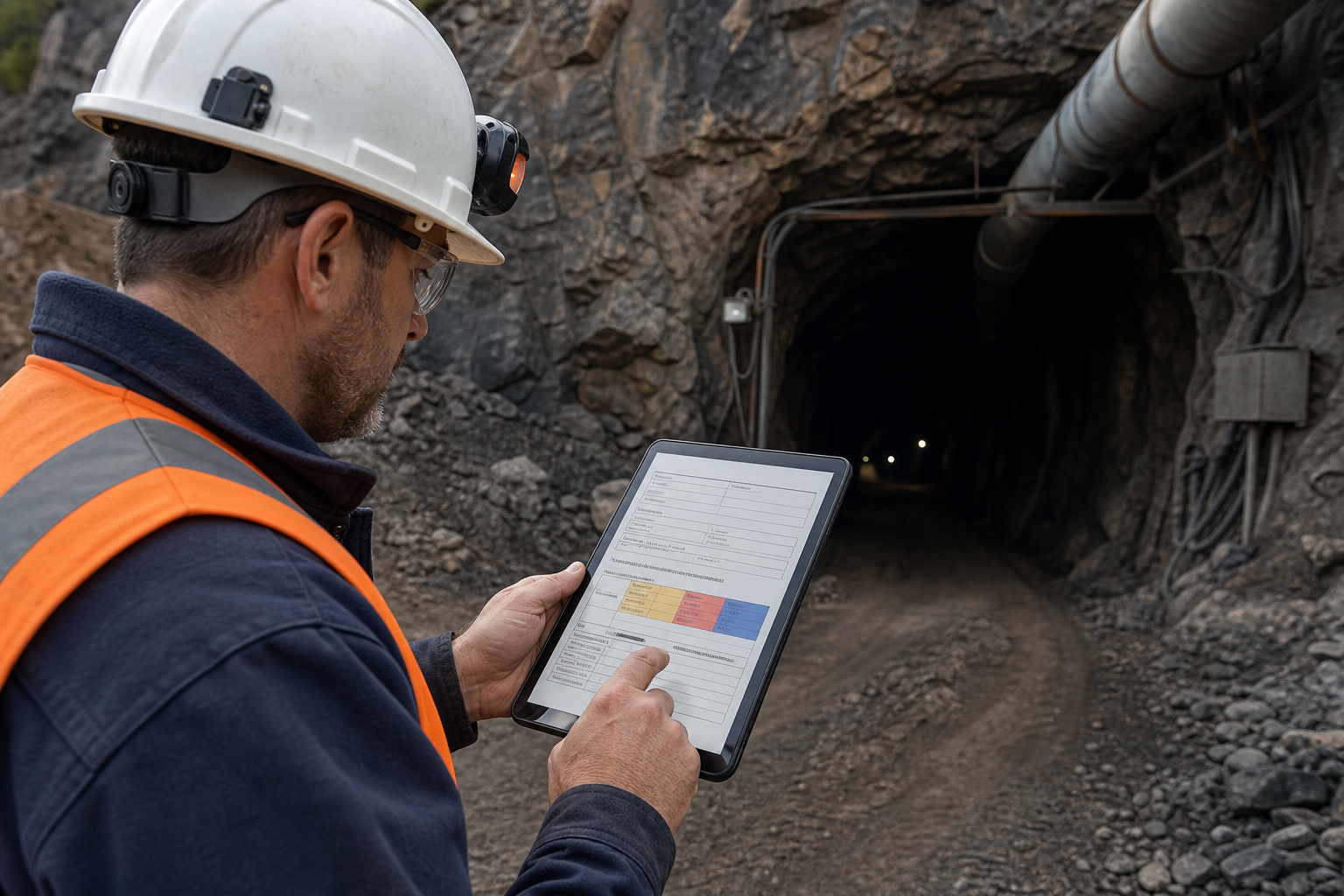

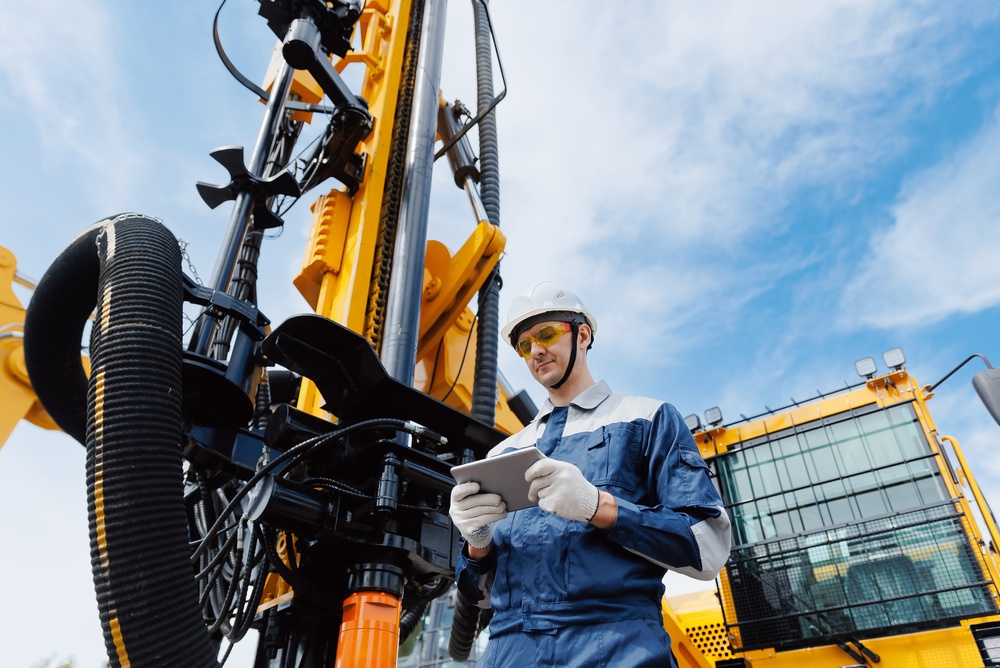
Mobile equipment operates in environments where dust, fumes, and airborne contaminants are constant. Whether you are running a fleet in mining, construction, or agriculture, keeping operators safe and machinery running smoothly is an uphill battle. Without proper filtration and pressurization, those harsh contaminants enter the cab and stay there.
Cabin enclosure filter pressurizers prevent that from happening. But performance isn’t automatic. It depends entirely on what you measure, how you maintain it, and how quickly you catch early failures.
What Is a Cabin Enclosure Filter Pressurizer?
Cabin enclosure filter pressurizers are designed to safeguard the air quality inside heavy-duty equipment. They operate through a simple yet highly effective process:
- Filters incoming air: Pulls outside air through multiple layers to trap dangerous particles.
- Pushes clean air into the cab: Uses an integrated blower unit to distribute fresh, filtered air to the operator.
- Creates positive pressure inside the enclosure: Builds up a consistent air barrier inside the sealed cab.
That positive pressure is critical. By maintaining higher pressure inside the cab than outside, the system forces air out through any small structural gaps, preventing contaminated air from seeping in.
An effective configuration typically includes:
- Intake and pre-cleaning: Using technologies like cyclonic separation to spin out heavy debris and larger particles before they reach the main filters.
- Multi-stage filtration: Combining a rugged pre-filter with high-efficiency or certified HEPA filters to target microscopic hazards.
- A blower or pressurizer unit: The motorized heart of the system that continuously drives airflow.
- A sealed cab environment: The structural enclosure that locks in the positive pressure.
Filtration alone isn’t enough. Without active, sustained pressure, contaminants will always find their way inside your equipment.
Why Pressurization Matters in Real Conditions
Think about how contaminants actually enter a machine’s cab during a standard shift:
- Rapid door openings between operator shifts
- Worn or decaying rubber seals around windows
- Small structural gaps in access panels or flooring
- Settled dust carried directly on an operator’s clothing or boots
Even a top-tier filter will fail to protect the operator if the cab loses its positive pressure. A properly designed, pressurized system solves this by actively preventing silica dust, diesel particulate matter (DPM), and fine respirable crystalline silica (RCS) from entering. It also works dynamically to purge contaminants that manage to slip in when the doors briefly open.
What to Measure (And Why It Matters)
If you aren’t actively measuring your system’s performance, you’re just guessing. For compliance and safety purposes, focus on these critical metrics:
- Cab Pressure: Measured as differential pressure relative to the outside atmosphere. This reading indicates whether your cab is actually protected. If the pressure drops, contaminants can easily migrate indoors. High-performance systems integrate automated alarms that trigger immediately when pressure falls below safe thresholds.
- Airflow (CFM or m³/h): Airflow drives the entire system. You need to maintain enough volume to hold the cab pressure, replace stale air, and feed the vehicle’s primary HVAC system. Low airflow is a major red flag signalling clogged filters, failing fan motors, or intake blockages.
- Filter Restriction: The pressure drops across the filters. As filters load with heavy field dust over time, restriction increases, airflow decreases, and system performance declines.
- Cab Integrity (Leak Points): Even tiny leaks reduce structural effectiveness. Routinely inspect high-risk areas such as door seals, window gaskets, and cable or panel penetrations. The system’s overall efficiency depends on the integrity of the entire enclosure, not just the filter unit itself.
- Protection Factor: This advanced industrial measurement compares outside contaminant levels directly with the inside cab air quality. A higher protection factor means your system is performing at its peak, providing cleaner air than the surrounding environment.
What to Maintain for Consistent Performance
A high-performing system is built on routine, proactive maintenance. Keep these core components on a strict service schedule:
- Filters: Multi-stage setups rely on pre-filters to remove large particles, primary filters to capture fine dust, and specialized HEPA/H13 or EPA filters to remove sub-micron particles and viruses. Always replace filters based on your specific environmental dust loading, rather than relying strictly on calendar time. Heavy dust environments require far more frequent changes to prevent restriction.
- Seals and Cab Structure: A pressurizer can’t compensate for a severely leaking cab. Maintenance routines must include replacing worn gaskets, sealing fresh structural cracks, and training operators to keep all doors and windows firmly closed during operation.
- Blower or Pressurizer Unit: The motor drives your airflow and pressure. Watch closely for signs of fan degradation, such as reduced CFM output, unusual mechanical noise, severe vibration, or inconsistent pressure readings.
- Intake and Ducting: Blocked or dirty intakes choke the system. Keep all external air inlets clear of leaves or mud, verify that pre-cleaners are actively shedding debris, and inspect ducts so they remain free of internal buildup.
- Monitoring Systems: Pressure monitors and onboard sensors provide critical real-time feedback. Keeping these systems calibrated helps you detect hidden failures early, reduce maintenance guesswork, and prevent operator exposure risks.
What Fails First (And Why)
Most system failures are highly predictable and are caused by five primary vulnerabilities:
- Clogged Filters: By far the most common issue. Heavy dust loading causes high restriction, immediately cutting airflow and triggering a loss of positive pressure.
- Worn Seals and Cab Leaks: Often overlooked during quick walkarounds, decaying seals break the positive pressure boundary and invite dust tracking straight into the cab.
- Airflow Loss from Fan Degradation: Brushless motors and blower fans wear down over time under harsh vibrations, leading to lower airflow and erratic cabin pressurization.
- Poor System Sizing or Installation: Undersized systems constantly struggle to maintain pressure in large cabs, while improper installation can introduce uneven airflow or dead zones.
- Lack of Monitoring: Without active measurement, systems frequently fail silently. Performance declines gradually, and the issue goes unnoticed until operators physically spot dust settling on the dashboard.
Warning Signs Your System Isn’t Working
You don’t always need advanced instruments to spot early problems. Watch for these clear warning signs:
- Noticeable dust buildup on interior surfaces
- Weakened airflow through the cabin vents
- Operators complaining about poor air quality or odours
- The need for unusually frequent filter replacements
- Onboard pressure alarms frequently triggering
How to Improve System Reliability
To elevate your fleet’s air management strategy, focus heavily on the fundamentals:
- Use multi-stage filtration (combining cyclonic pre-cleaners with high-efficiency media) tailored specifically to your working environment.
- Match your system size perfectly to the equipment size and environmental workload.
- Perform regular cab integrity tests to maintain a fully sealed cab enclosure.
- Monitor internal cab pressure continuously using digital sensors.
- Proactively replace filters before performance drops and restriction spikes.
- Conduct comprehensive field testing, including routine air testing, to check that your equipment is meeting occupational health goals.
The Polar Mobility Advantage
Polar Mobility designs custom cabin enclosure solutions built for real-world industrial conditions. Specializing in high-performance cabin enclosure filter pressurizers, Polar Mobility integrates industry-leading technologies, such as the Sy-Klone RESPA® system.
These systems leverage powerful RESPA® CF2 and CFX precleaners paired with advanced MERV 16, EPA, or HEPA (H13) filtration to capture 99.97% of 0.3-micron particles. Designed to meet rigorous ISO 23875 air quality standards, Polar Mobility solutions can be retrofitted onto your existing heavy fleet or integrated directly into new custom builds. They deliver consistent positive pressure, handle extreme dust, and integrate smoothly with mobile HVAC systems to provide durable, low-maintenance air protection across mining, construction, and agricultural sectors.
Practical Checklist You Can Use Today
Before your operators head out for their next shift, make sure your team can confidently answer these five questions:
Is cab pressure within a safe, certified range?
Are the filters clean and safely within their service limits?
Are all doors, windows, and panel seals fully intact and leak-free?
Is the vent airflow strong, consistent, and free of unusual vibrations?
Are the cabin monitoring systems active, calibrated, and clear of alarms?
If any of these checkmarks are missing, your filtration and pressurization system needs immediate attention.
Ready to Upgrade Your Fleet’s Air Quality?
Most systems don’t fail overnight; they degrade slowly until the safety barrier vanishes. Don’t wait for a silent failure to put your operators and electronics at risk. For cabin enclosure filter pressurizers that will keep your fleet running and your operators safe, check out our complete catalogue.
Looking for a custom build or need more information? Contact Polar Mobility today.