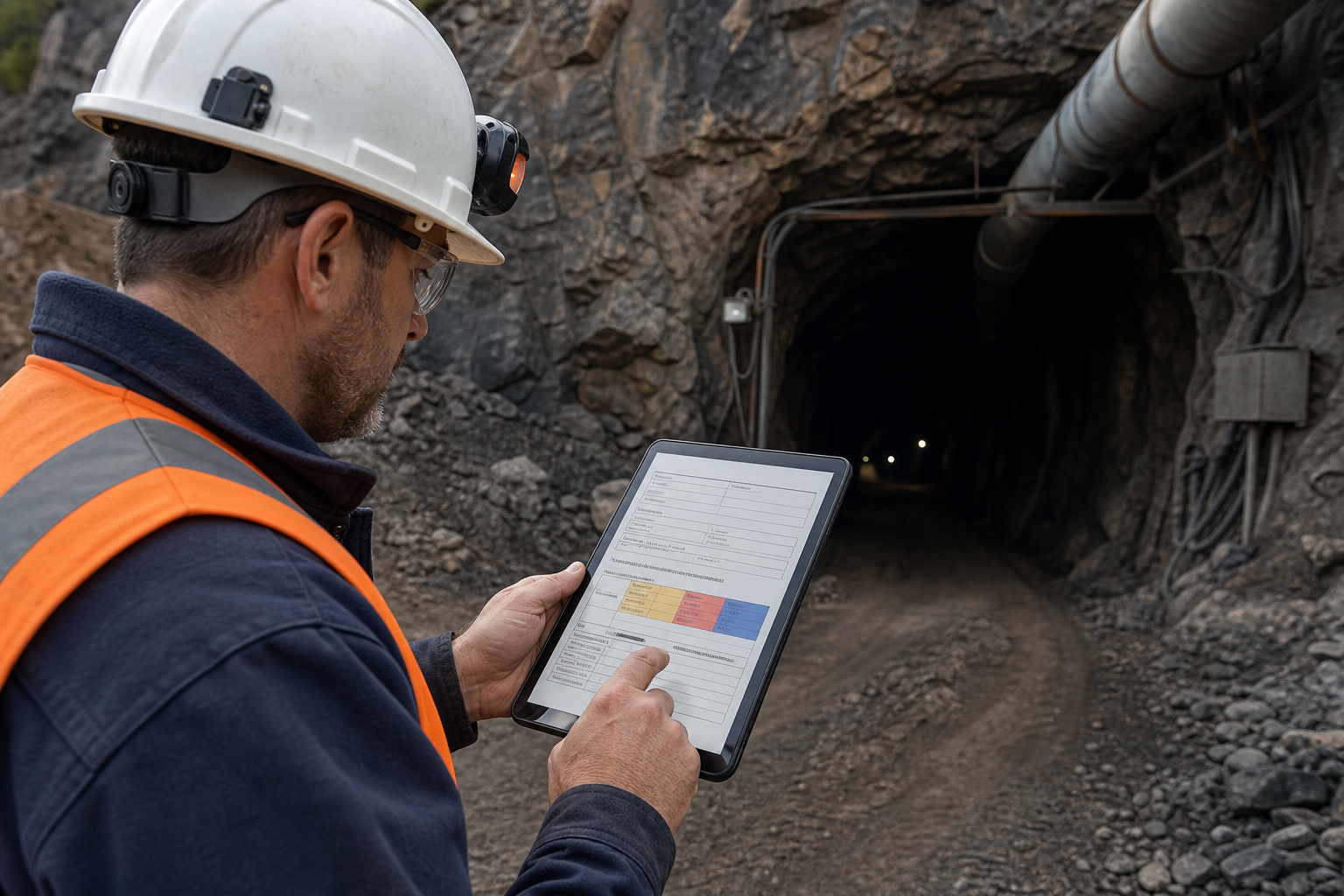


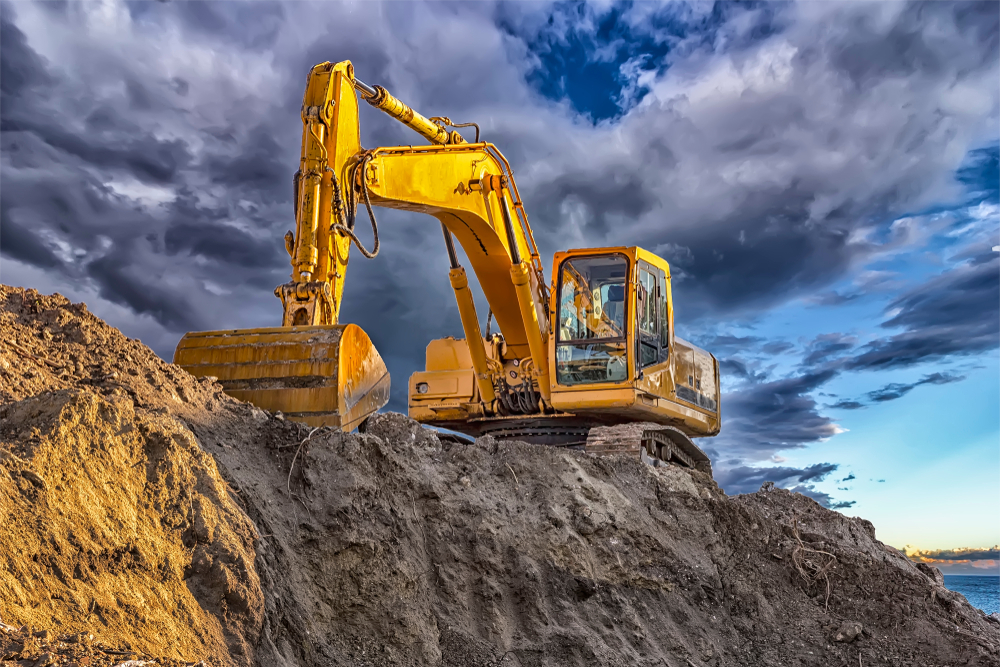
In extremely hot weather conditions, industries like construction and mining can quickly become dangerous for workers operating heavy machinery. In addition, transport trucks require proper air conditioning to ensure the safe transportation of goods.
Air conditioning solutions for mobile equipment are an important component for many industries. At Polar Mobility, our priority is your comfort and safety. Our innovative mobile HVAC units provide both heating and cooling solutions specifically designed for rough environments.
Why Air Conditioning Matters More Than You Think
In heavy industries such as mining, construction, forestry, and transport, air conditioning is often miscategorized as a luxury comfort feature. In reality, it directly impacts your bottom line across three critical areas:
- Operator Focus and Productivity: A hot cab drains human energy fast, which can lead to diminished cognitive function and costly mistakes. A properly cooled cab helps operators maintain focus during long shifts, directly improving output.
- Safety on Job Sites: Heat stress is a major workplace hazard. Poor concentration leads to slower reaction times and critical operational errors.
- Equipment and Component Protection: Extreme heat takes a massive toll on sensitive onboard electronics, display panels, and internal control modules. Without proper cabin cooling, these highly sensitive components overheat, failure rates climb, and preventable downtime becomes a frequent headache.
What Makes a Mobile AC System “Effective”?
Not all climate control systems are built for industrial use. The principles that work for an office building or a standard passenger car will fail catastrophically on a mine site or an agricultural field. An effective heavy-duty system must prioritize the following attributes:
1. Built for Extreme Environments
Industrial systems need to be tough enough to survive constant mechanical vibration, heavy shock loads, corrosive dust, and extreme temperatures. Systems designed specifically for heavy-duty applications have reinforced frames, durable copper-tube aluminum-fin coils, and shock-mounted components for long-term survivability.
2. High-Performance Cooling Capacity
Heavy machinery generates a significant amount of internal thermal energy through engines, hydraulics, and transmissions. When you combine that internal load with high radiant solar heat, standard commercial cooling units quickly fall short. Effective heavy-duty systems maintain consistent cooling under maximum load, handle extreme external heat spikes, and prevent internal cab temperatures from fluctuating.
3. Low-Maintenance Design
In busy industrial environments, cooling units should be designed for minimal servicing, featuring easily accessible filters, strategically placed test ports, and highly durable components that simplify routine inspections and reduce long-term operational costs.
4. Custom Fit for the Application
A one-size-fits-all approach rarely delivers adequate results. For optimal airflow distribution, balanced cooling coverage, and energy efficiency, your climate control layout should be tailored precisely to the specific equipment size, cabin configuration, and industrial application.
The Different Types of Air Conditioning for Mobile Equipment
There are four main types of HVAC systems, and each has a specific use that is tailored to your industry’s needs:
- Heating and Cooling Split System: The most common HVAC system available for both indoor and outdoor applications. This system features refrigerant compressors and coils to cool the air, along with a fan that blows the hot air out.
- Hybrid Split System: A unit that keeps energy costs down using electric hybrid heating that allows the operator to switch between gas and electric power.
- Duct Free (Mini-Split): Mounted on indoor walls and usually attached to an outdoor compressor. When a designated area is unoccupied, this unit allows the operator to turn off heating or air conditioning in that zone to conserve energy.
- Packaged Heating and Air: A compact unit usually placed in an attic or top-floor storage space to cool and heat. This easily transportable system can be electrically generated or use a hybrid of gas and electricity.
Key Factors to Consider Before Choosing a System
Before investing in new climate control systems, evaluate the practical demands of your job site:
- Equipment Size and Heat Load: If a system is undersized, it’ll run constantly, strain its components, and fail under environmental pressure. Match the cooling capacity (BTU/hr or kW) to the total cab volume, the heat generated by onboard systems inside the cab, and the peak external design temperatures.
- Operating Environment: Assess environmental threats. Is your equipment exposed to heavy dust, ambient temperatures exceeding 40°C (104°F), or high humidity? The severity of these conditions dictates the filtration levels, coil coatings, and overall durability requirements of your system.
- Power Availability: Industrial systems must integrate seamlessly with your equipment’s existing power architecture. Verify whether your application is best served by engine-driven compressors, direct current (DC) electrical systems, alternating current (AC) setups, or auxiliary battery-powered units for anti-idling compliance.
- Duty Cycle: Determine the operational expectations. Will the cooling system run occasionally, for single 8-to-10-hour shifts, or continuously across a 24/7 heavy industrial cycle? Continuous-duty environments require robust components designed to minimize wear under prolonged stress.
Common Mistakes That Lead to Poor Performance
- The Commercial-Grade Trap: Installing standard commercial- or automotive-grade units on heavy industrial equipment. These lighter systems lack the capacity for severe off-road vibration and heavy airborne particulate matter, leading to broken refrigerant lines, cracked mountings, and premature electrical failures.
- Undersizing the System: Attempting to save on upfront capital costs by opting for a lower-capacity unit always backfires. An undersized system strains under heavy thermal loads, fails to properly cool the operator, and suffers early component degradation.
- Ignoring Maintenance Planning: Skipping routine filter changes, neglecting regular refrigerant level checks, and leaving dirty, blocked condenser coils uncleaned will trigger system short-cycling, reduced efficiency, and avoidable field downtime.
Polar Mobility for Mobile Heating, Cooling, and Air-Quality Solutions
Polar Mobility stocks and manufactures air conditioning solutions for mobile equipment across all industries. We understand that not all applications are the same and offer specialized design and innovation for your specific requirements. Our experienced technicians can work with you to find a solution if the one that you need is not available on the market.
Contact Polar Mobility today or view our online catalogue to find the right heating, cooling, and air-quality solution for your heavy-duty equipment.