
When it comes to heating solutions, few manufacturers have the reputation and breadth of products that Eberspacher, known as Espar in North America, brings to the table. Among the company’s vast range of products, one category stands out for its efficiency, versatility, and reliability – the Hydronic Heating Systems.
Let’s take a closer look at Espar/Eberspacher’s Hydronic Heating Systems, shedding light on their operation, benefits, and applications.
Understanding Hydronic Heating Systems
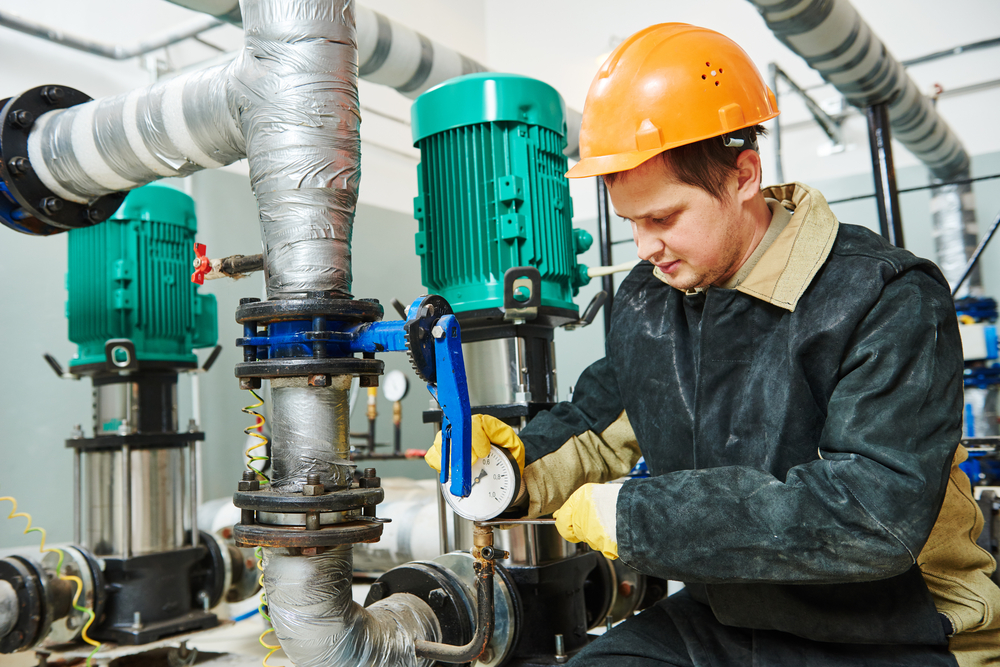
At its core, a hydronic heating system uses liquid (usually a mixture of water and antifreeze) as a medium to transfer heat. In the case of Espar/Eberspacher, these systems are often utilized to preheat engines, warm up vehicle interiors, and even provide domestic hot water in some applications. This is particularly useful in harsh environments where reliable heating is crucial.
Operation of Espar/Eberspacher Hydronic Systems
An Espar/Eberspacher Hydronic heating system works by burning a small amount of diesel fuel to heat a coolant. This heated coolant then circulates through the engine and vehicle’s heat exchangers, providing heat to the engine, the vehicle’s interior, and other components as needed.
This type of system is highly efficient because it leverages the existing coolant pathways in the vehicle’s engine, meaning it doesn’t need to create its own network of ducts. Additionally, because it uses liquid to transfer heat, it can more evenly distribute warmth than air-based systems, leading to a more comfortable interior environment and more effective engine preheating.
Benefits of Espar/Eberspacher Hydronic Heating Systems
There are several key benefits to using an Espar/Eberspacher hydronic heating system:
- Fuel and Energy Efficiency – These systems use a minimal amount of diesel fuel, making them an energy-efficient choice. This efficiency can lead to substantial fuel savings over time, especially in commercial and industrial applications.
- Reduced Engine Wear – By preheating the engine, these systems reduce cold starts, which are a significant cause of engine wear. This can extend the lifespan of your engine and reduce maintenance costs.
- Comfort and Safety – Espar/Eberspacher hydronic systems provide reliable and even heating, ensuring a comfortable environment for vehicle occupants and equipment operators. They can also provide demisting/defrosting capabilities, improving visibility and safety.
Applications of Espar/Eberspacher Hydronic Heating Systems
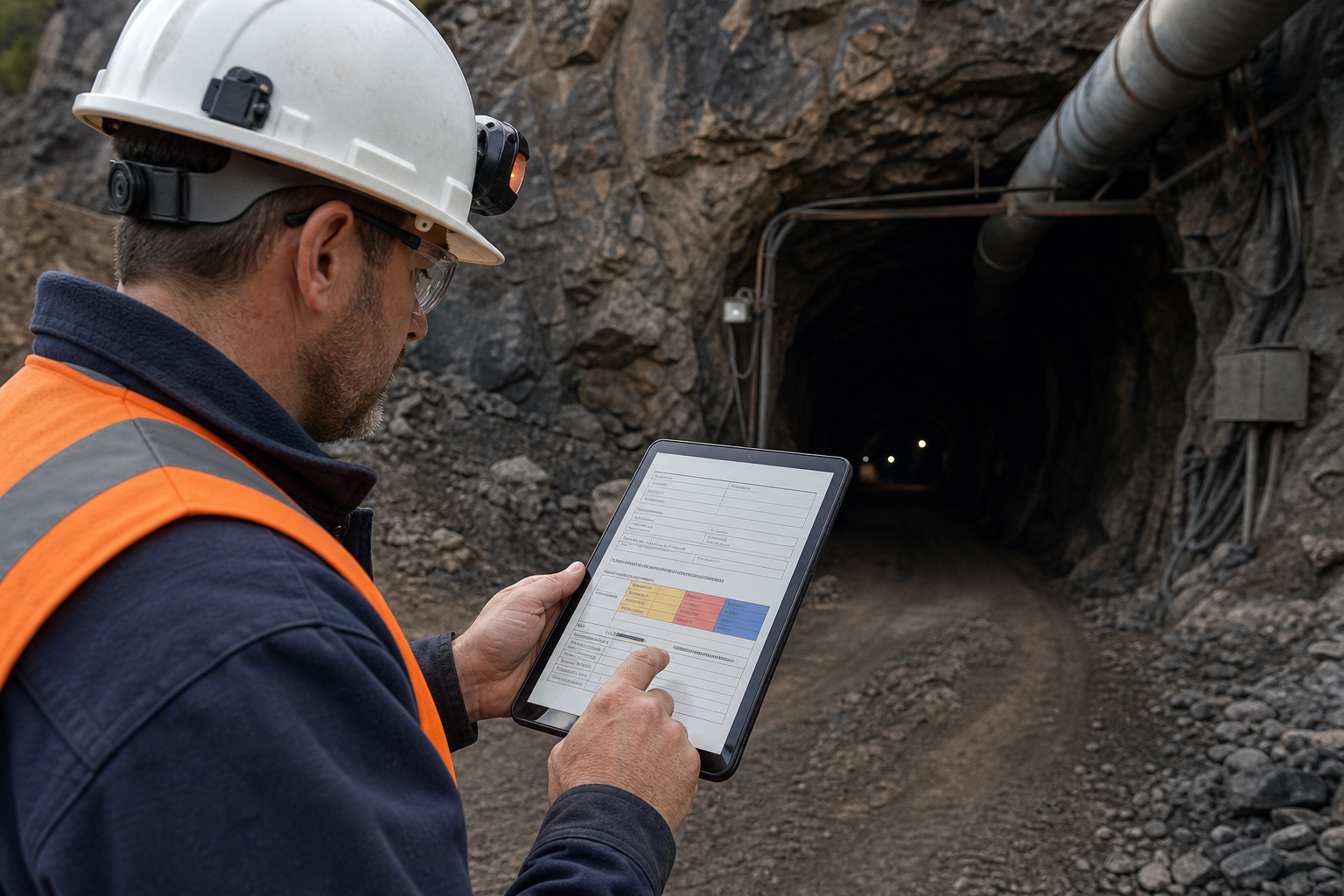
Espar/Eberspacher’s hydronic heaters are versatile and find applications in a variety of sectors. These systems are commonly used in commercial trucks, buses, construction and mining equipment, and even boats and yachts. They are also a popular choice for heating recreational vehicles (RVs), offering comfort for enthusiasts who enjoy traveling in cooler climates.
If you’re looking for top-quality mobile heating solutions, including the renowned Espar/Eberspacher hydronic heating systems, Polar Mobilty can provide you with what you need. Contact us today and let us keep your operations running safe, smooth, and comfortable!