

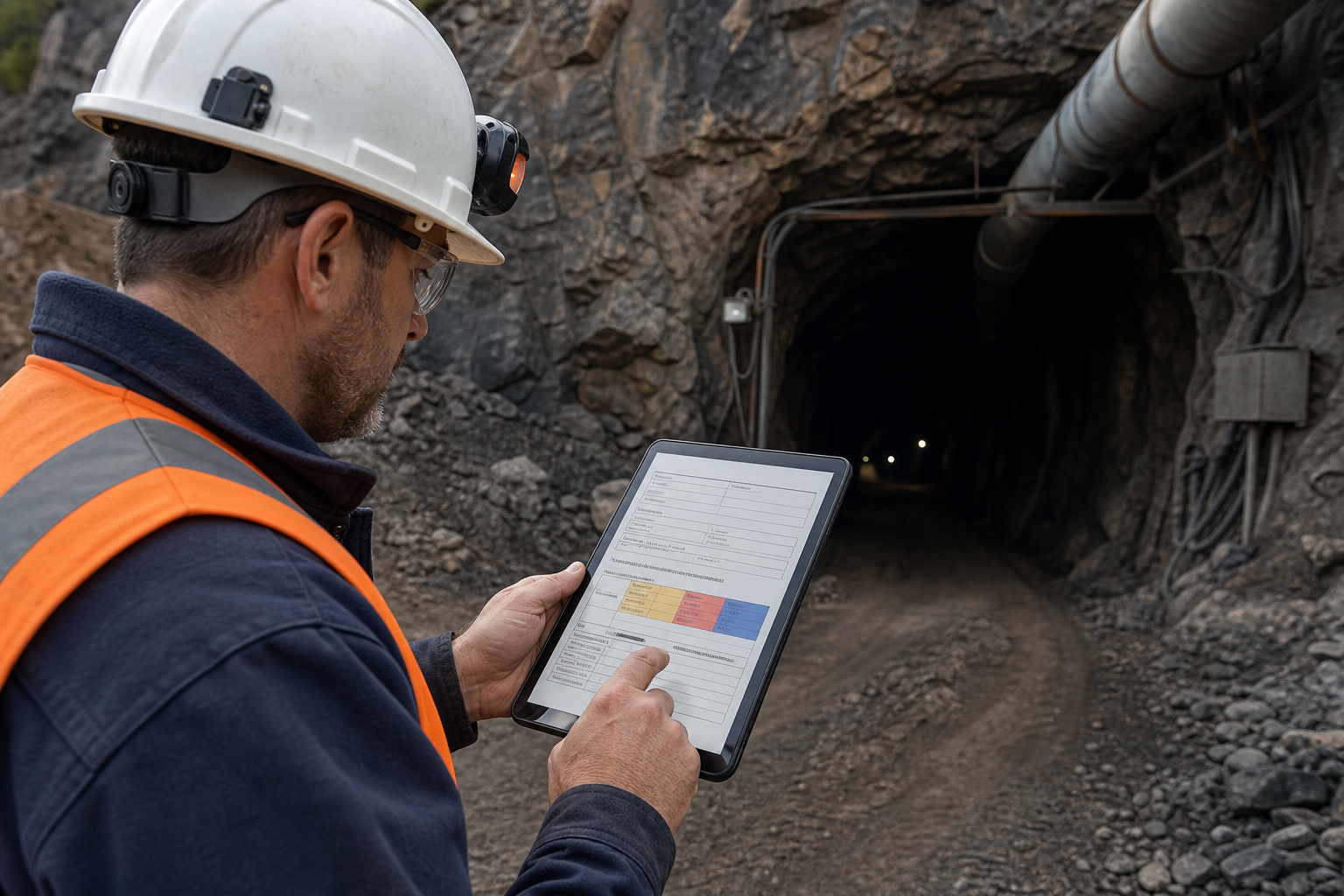
Getting an HVAC system approved for underground mining can feel like a maze of paperwork, tests, and heavy‑duty engineering. If you miss one step, you risk shutdowns, fines, or even safety incidents. Below is a step‑by‑step guide that walks you through every requirement, from classification to re‑certification, so you stay compliant and keep the air clean.
Step 1: Identify the Applicable MSHA Requirements and Mine Classification
The first task is to know which part of the Code applies to your operation. MSHA splits underground work into two major classifications: coal mines (subject to 30 CFR Part 75) and metal/non‑coal mines (governed by Part 46). Each class has its own set of airflow, temperature, and explosion‑proof standards. Knowing the class tells you which test procedures and documentation you’ll need later.
Next, gather the mine’s identification numbers. The seven‑digit Mine ID (e.g., 01‑23456) and any Contractor ID (A1234) must match the records you submit. A mismatch can cause the submission to be rejected and delay processing. The submission process requires a registered account email. If you need to change the address or email, follow the applicable agency account-support procedures, as some fields may not be editable online.
Once you have the correct IDs, pull the latest requirements and documentation from the agency’s site. Compile the applicable identification and reporting materials, then submit them through the designated agency channels and wait for the district office to approve the submission, which can take time.
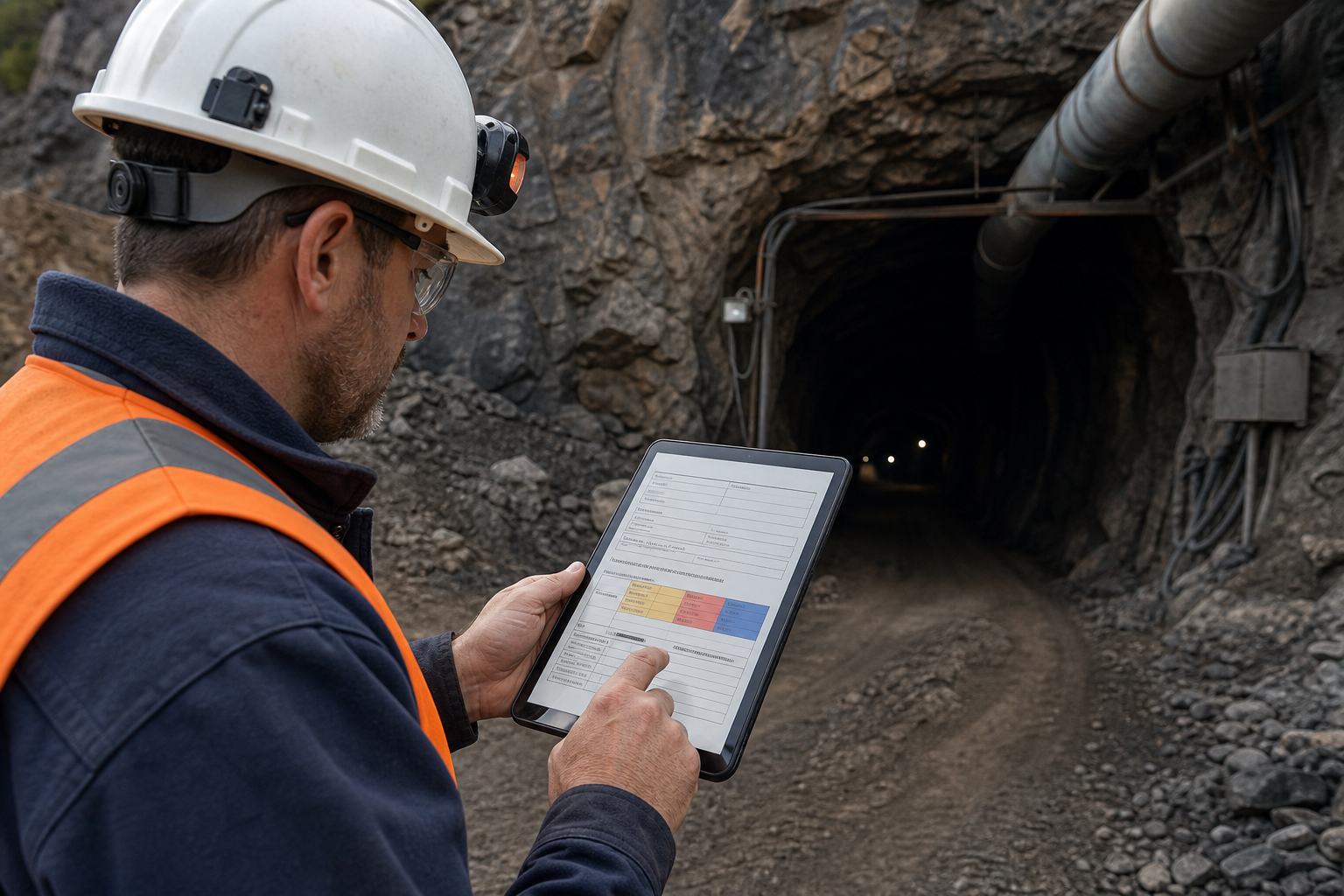
For a quick reference on applicable paperwork, see the agency compliance resources.
We often turn to MSHA Rated Mobile HVAC: Compliance & Troubleshooting as a usable example of how a mining operator lines up the forms, IDs, and classification before even looking at a unit.
Step 2: Define the HVAC System’s MSHA Approval and Performance Requirements
Now that you know which part of the Code applies, you can map those rules to the HVAC unit you plan to buy. MSHA Part 6 governs product approval. The unit must have a valid MSHA product approval number (often called a “Part 6 number”). Without that, the system can’t be used, even if it meets ISO 23875 performance targets.
Performance requirements fall into three buckets: fire‑resistance, explosion‑proofing, and airflow. For fire‑resistance, the housing must survive a standard fire test for at least 30 minutes. Explosion‑proof ratings (e.g., “Class I, Division 1”) are mandatory for coal mines where methane levels can spike. Airflow is measured in cubic feet per minute (CFM) and must meet the minimum required to keep cabin pressure above 20 Pa at all times.
Review available equipment-approval information for units listed under the appropriate part number for your mine class. If you can’t find a match, you’ll need to request a custom certification, which adds time and cost.
Our own engineering team often references ISO 23875 Compliance Solutions for Heavy Equipment when we map MSHA’s safety rules to performance targets like CO₂ limits and particulate decay times.
Equipment approval information can be browsed here: approval information.
Step 3: Submit the HVAC System for MSHA Review, Testing, and Certification
With the unit selected and the paperwork ready, you move to the formal submission stage. Prepare a packet that includes the Part 6 approval request form, a detailed engineering drawing of the HVAC assembly, and a risk assessment that covers vibration, dust ingress, and temperature extremes.Submit the packet through the designated review channel. They will run three Standard Test Procedures (STPs): low‑voltage ground wire acceptance, explosion‑proof testing per 30 CFR 18.62, and a fire‑resistance test. Each test has specific acceptance criteria.
If the unit passes, you’ll receive an MSHA certification letter that lists the approved part number, test dates, and any conditional notes (for example, “only for use in mines classified as non‑gassy”). Keep that letter on file and attach a copy to the equipment’s nameplate.
Questions about the test procedures should be directed to the appropriate technical contact.
Step 4: Integrate the Approved HVAC Unit Into the Mine Ventilation and Heat‑Control Plan
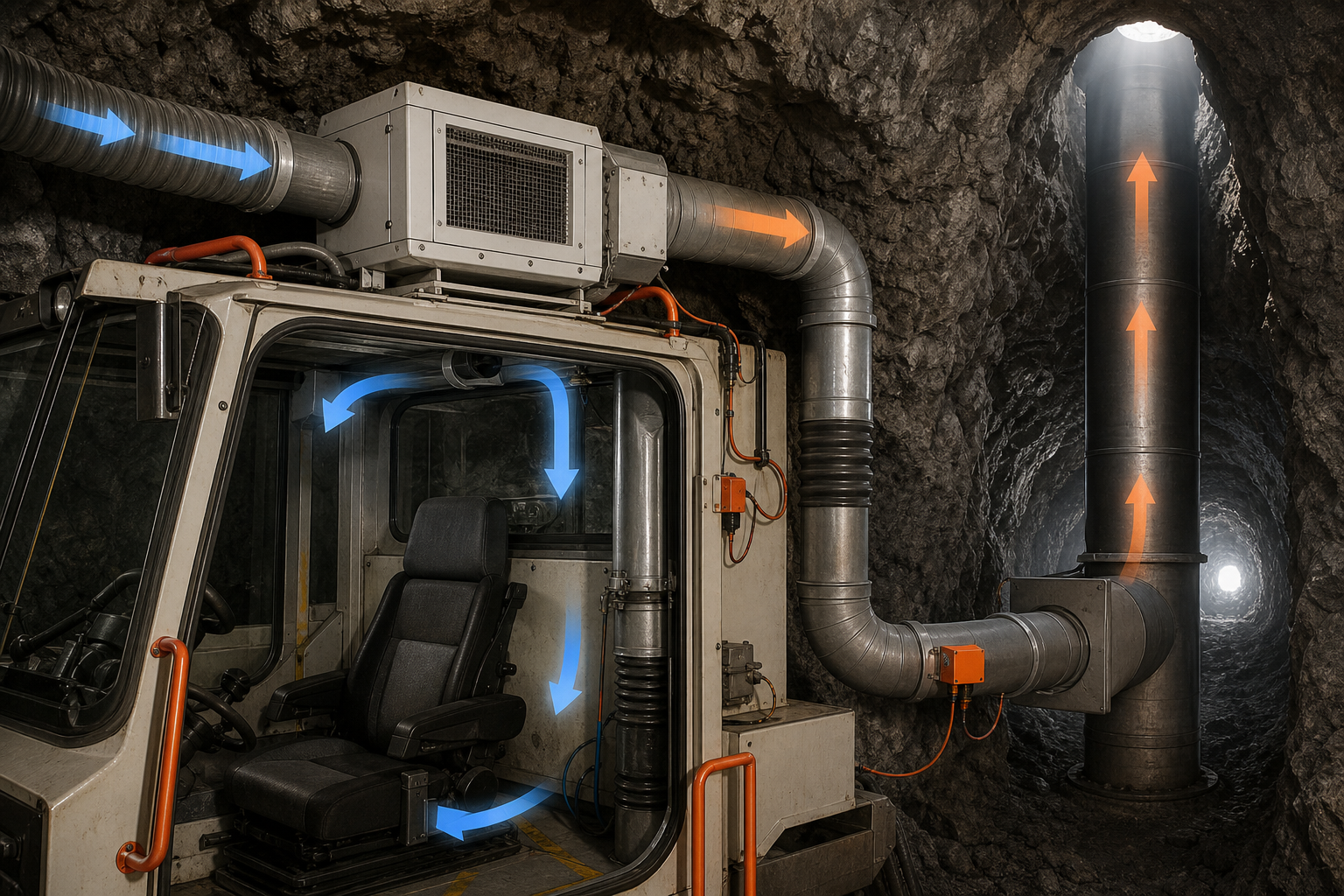
Certification alone isn’t enough; the unit must work with the mine’s overall ventilation network. Start by mapping the intake and exhaust ducts to the main airflow shafts. The goal is to keep the cab pressure positive while ensuring fresh air doesn’t pull diesel exhaust into the operator’s breathing zone.
Calculate the required CFM based on the mine’s total airflow and the number of operators on a shift. Use the mine’s ventilation model to simulate how the new HVAC will affect overall airflow. If the model shows a pressure drop below 20 Pa in any zone, you’ll need to upsize the fan or add a secondary booster.
Don’t forget heat‑stress management. In hot rock environments, the HVAC must keep cabin temperature below 30 °C even when ambient rock temperature reaches 50 °C. This often means selecting a unit with a higher cooling capacity and adding a water‑cooled condenser if the ambient air is too hot for air‑cooled condensers.
For a visual reference, see the diagram below that shows a typical cab‑pressurization loop tied into the main ventilation shaft.
Step 5: Commission, Inspect, Maintain, and Re‑Certify the HVAC System
After installation, run a commissioning checklist. Verify that the cabin pressure sensor reads at least 20 Pa with the machine idling, and confirm that the CO₂ monitor stays below ambient + 400 ppm. Record all readings in the unit’s log book; this log becomes part of the evidence you’ll need for future audits.
Inspection cycles are dictated by both MSHA and ISO 23875. MSHA requires a visual inspection every 30 days, plus a functional test at least once a year. ISO 23875 adds a pressure decay test every 90 days and a filter‑loading check after 200, 400 operating hours, depending on dust conditions.
When a filter reaches its loading limit, replace it with an OEM‑specified HEPA‑grade part. A common mistake is to “clean” the filter with compressed air , that can damage the media and void the certification.
If any component fails the test, you must submit a deviation report to MSHA and obtain a temporary waiver before you can resume operation. The waiver is only valid for 30 days, so plan repairs quickly.Our own maintenance crews rely on the Hydraulic HVAC Troubleshooting Guide for Mining Trucks to diagnose hydraulic pressure losses, oil contamination, and motor wear before they become compliance issues.
Every year, conduct a full re‑certification audit. Pull the original MSHA certification letter, the latest inspection logs, and the ISO performance report. Submit them together with refreshed compliance documentation if any mine details have changed (owner, location, or classification). Once MSHA signs off, you can keep the unit in service for another five years.
Frequently Asked Questions
What documents do I need to submit for MSHA HVAC approval?
You must submit a detailed engineering drawing of the HVAC assembly, a risk assessment covering vibration and dust, and the Part 6 approval request form. The packet is submitted for testing.
Can a standard commercial HVAC unit be used underground if I add a filter?
No. A commercial unit without a valid MSHA Part 6 approval number is illegal for underground use, even if you retrofit filters or pressurization devices. MSHA treats the whole assembly as a single safety device.
How often must I test cabin pressure?
MSHA requires a functional pressure test at least once a year. ISO 23875 adds a quarterly pressure decay test to verify the sealing integrity of the cab enclosure.
What is the difference between Part 6 and Part 46?
Part 6 covers product approval , the equipment itself must be reviewed and certified before it can be placed underground. Part 46 deals with training, safety procedures, and visibility standards for workers operating around the equipment.
Do I need separate certifications for coal and metal mines?
Yes. Coal mines fall under 30 CFR Part 75, which adds stricter explosion‑proof requirements. Metal and non‑coal mines follow Part 46, which focuses more on ventilation and heat‑stress controls.
Ready to move from paperwork to a working, MSHA‑rated HVAC system? Start by confirming the Part 6 approval number on any unit you consider. If you need a deeper dive, on ISO 23875 compliance. That next step will lock in performance targets and keep your cabins safe year after year.
Ready to put this into practice? Polar Mobility Research Ltd. was built for exactly this.