
Heavy‑duty crews need cab climate that works when the engine idles, the terrain shakes, and dust fills the air. Below are the top hydraulic driven rooftop HVAC solutions that survive those extremes, plus a quick checklist to help you decide.
1. Polar Mobility Research Ltd. (Our Top Pick)
Polar Mobility designs custom hydraulic rooftop HVAC units with CSA approval. The system can handle sub‑zero to 50 °C cab temperatures.
Who it’s best for: Mining operators, haul‑truck fleets, and any equipment that already runs a hydraulic circuit. The units pull power directly from existing hydraulics, so you avoid extra electrical load.
Why it earns the spot: The hydraulic rooftop HVAC unit delivers up to 30 kW of heating and 24 kW of cooling while staying sealed against dust. And because the compressor is hydraulic, the unit runs even when the engine is off, keeping the cab comfortable during idle periods.
Limitation: Custom builds mean lead times can be longer than off‑the‑shelf models. If you need a unit this week, you may have to order a standard alternative.
2. MSHA-Rated Hydraulic Rooftop HVAC Systems for Mining Operations
These systems use a rugged hydraulic motor that can survive constant vibration and heavy loads.
Best for: Operators who must prove compliance on audit day and need a unit that can run on a dedicated hydraulic pump.
Key strengths: The hydraulic drive delivers constant airflow even when the engine is shut down, which can cut fuel use during long idle periods. The units also feature a sealed refrigeration circuit that resists dust ingress, a common failure point on belt‑driven trucks.
Drawback: The cooling capacity is typically lower than belt‑driven models, so they fit best in cabs up to 4 × 6 ft.
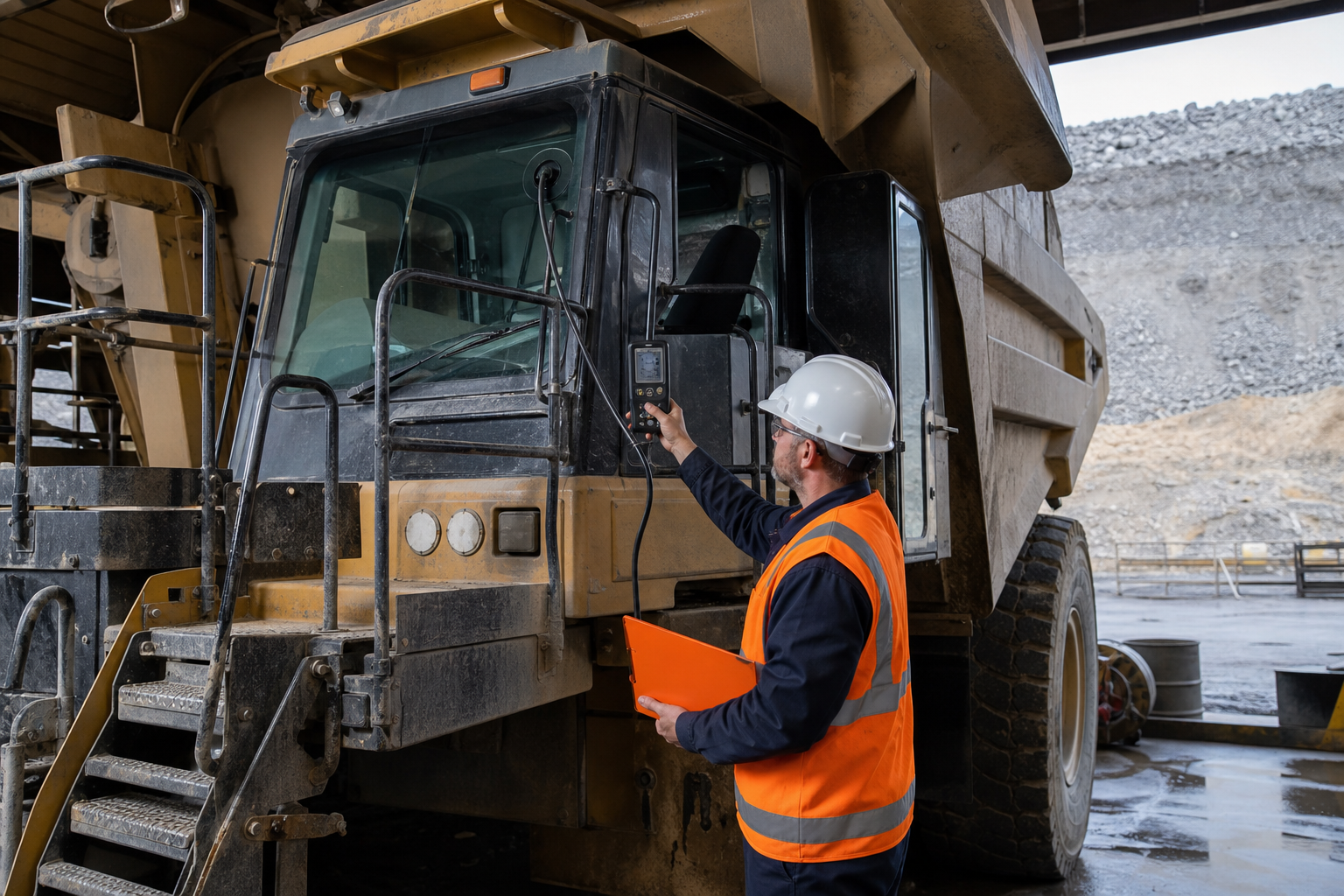
And here’s a quick look at the unit in action:
When you need to prove compliance, a hydraulic unit can simplify the paperwork process.
3. Hydraulic-Driven Cab Climate and Filtration Systems
Cab climate systems for heavy machinery address fresh‑air intake, high‑efficiency filtration, and CO₂ monitoring. Properly configured systems help maintain cleaner cab air in dusty mine environments.
Target audience: Companies that operate underground where air quality is regulated.
Caveat: The added filtration hardware adds 10 kg of weight, which may affect payload on smaller trucks.
4. Hydraulic HVAC Filtration Systems
These models combine a high‑flow hydraulic fan with a filter train: coarse pre‑filter, medium‑efficiency cartridge, and a final HEPA filter. The fan can maintain airflow even with the outer coil filtered.
Ideal for: Large haul trucks and dozers that operate in abrasive desert or quarry environments.
Strengths: The hydraulic motor provides torque that overcomes the added resistance of dirty filters, so cooling performance stays within 5 % of rating. The system also includes an optional cab pressurizer that adds 4 A at 12 V, a modest load for most hydraulic circuits.
Limitation: The filter requires regular replacement to maintain flow.
5. Hydraulic‑Driven Refrigeration for Heavy Fleets
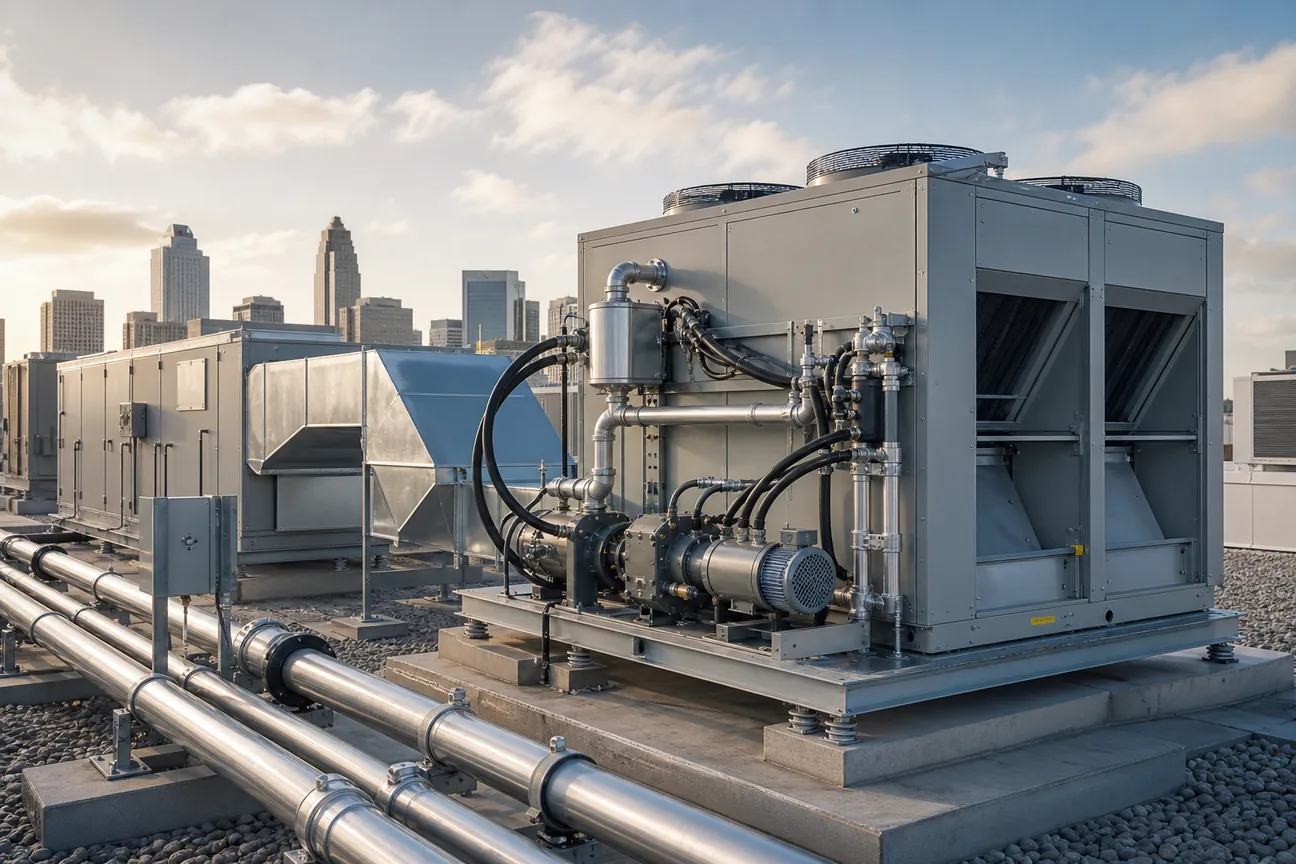
A self-contained, hydraulic-driven refrigeration unit fits on the roof of haul trucks and dumpers. It uses R‑134A refrigerant and a closed loop that stays sealed during service. A dedicated hydraulic-drive compressor/condenser unit can provide the required refrigeration capacity without adding a separate engine-driven power source.
Who benefits: Fleet managers who need to move temperature‑sensitive cargo (fuel additives, chemicals) without adding a diesel‑engine‑driven chiller.
Key reasons it makes the list: The unit draws 3.25 GPM at sufficient hydraulic pressure, enough to spin both the condenser and evaporator blowers even with an external filter in place. The system also pressurizes the cab with 10 % outside air, reducing dust entry.
Drawback: The recommended overhaul interval can translate to a higher long‑term maintenance budget.
When you need refrigeration that runs off existing hydraulics, the unit is a solid pick.
Comparison Table: Hydraulic Rooftop HVAC Options by Application
How to Choose Checklist
FAQ: Hydraulic Driven Rooftop HVAC Heavy Machinery
What makes a hydraulic system better than a belt‑driven one?
Hydraulic drives keep the compressor running even when the engine is off, so cab temperature stays stable during idle periods. They also handle high vibration better because there’s no belt that can slip or wear.
Do these units need an electrical supply?
Only low‑power control circuits (under 1 A at 12‑24 V) are needed; the main compressor power comes from hydraulic pressure, not electricity.
Are certified units required for all mining equipment?
Certification requirements depend on the equipment, operating environment, and applicable regulations.
How often should I replace the filters?
Filter life depends on dust load, but replacement is typically needed periodically in dusty environments, or sooner if pressure drop exceeds 10 %.
Can I retrofit an existing cab with one of these systems?
Yes, most hydraulic rooftop units are designed for quick bolt‑on installation. Polar Mobility even offers a “quick‑remove” kit that lets you service the unit without breaking the sealed refrigerant loop.
We recommend Polar Mobility’s custom‑engineered hydraulic rooftop HVAC as the go‑to solution for any extreme‑environment fleet. Request a quote today and get a compliance‑first design that fits your hydraulic system.
- Confirm the unit meets the safety standard required for your operation.
- Match cooling/heating capacity to cab size; a 4 × 6 ft cab needs at least 20 kW cooling.
- Check hydraulic pressure availability; requirements vary by unit.
- Verify filter replacement intervals fit your maintenance schedule.
- Consider whether you need refrigeration; if so, choose a closed‑circuit hydraulic model.