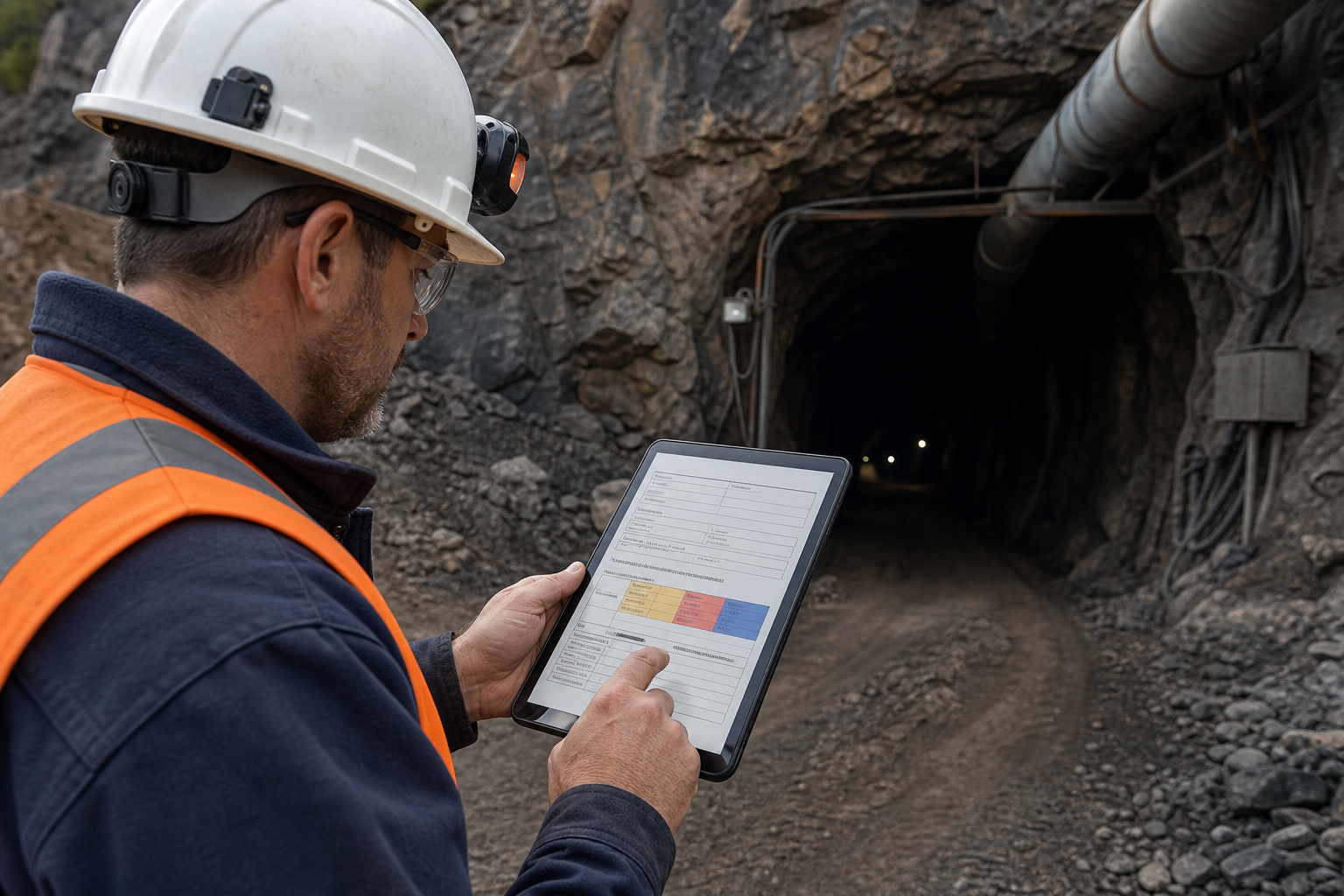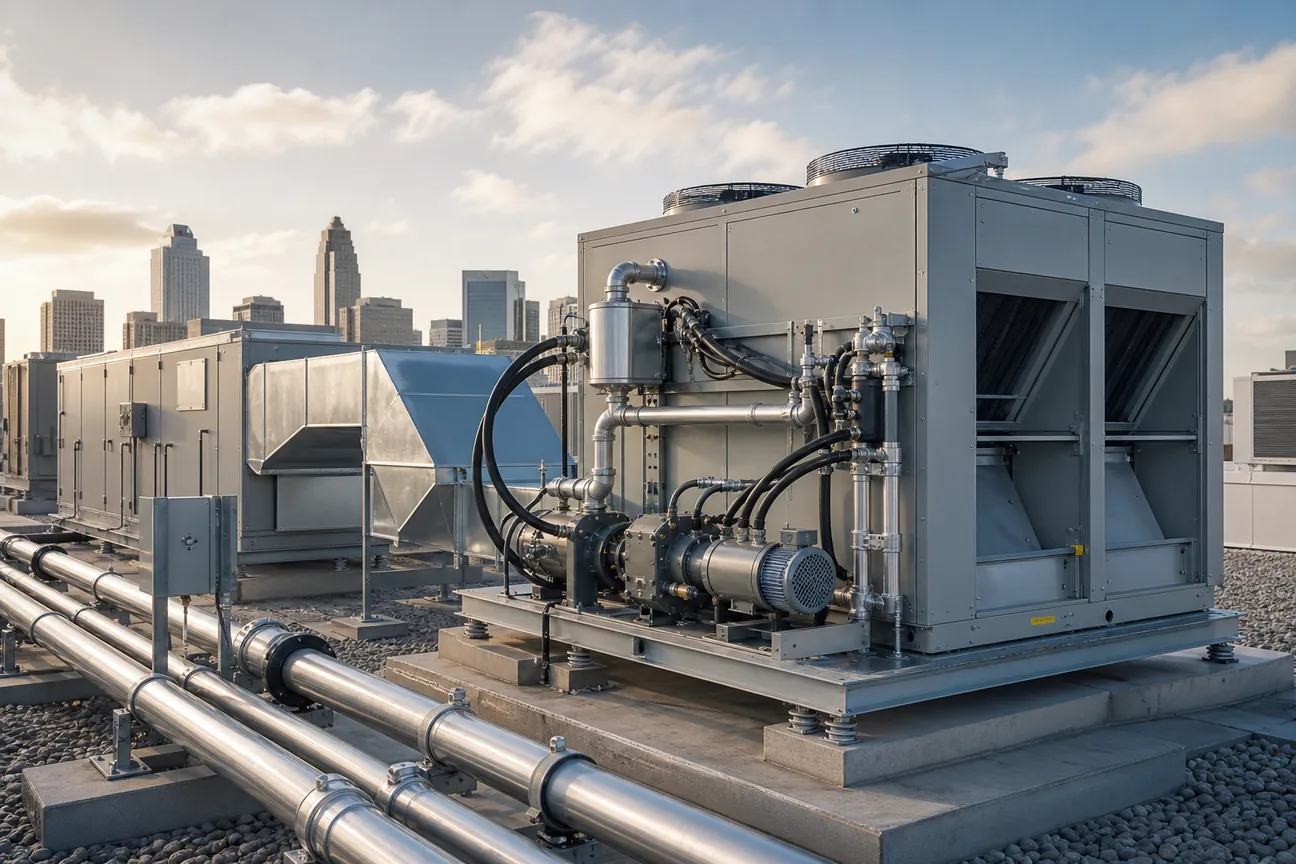

Mining fleets operating in cold conditions need a dependable way to keep hydraulic oil, fuel, water-based fluids, and other reservoir contents within a workable temperature range. The exact search phrase hydraulic-driven immersion fluid warmers for mining fleets is useful for finding that type of equipment, but it can also blur an important technical distinction.
According to Polar Mobility’s published specification, Polar Fluid Warmers use glycol coolant from an engine or a fuel-fired engine coolant heater as the heat source. The warmer transfers that heat into hydraulic oil, fuel oil, water, or another compatible fluid held in a tank or reservoir. It does not use the machine’s high-pressure working hydraulic circuit as the heat source. That distinction matters when a maintenance or engineering team specifies ports, pressure limits, coolant flow, and installation hardware.
This guide focuses on the documented Polar Fluid Warmer range and the information a mining fleet team needs to choose a configuration without guessing at performance.
How Polar immersion fluid warmers work
A Polar Fluid Warmer is an immersed fluid-to-fluid heat exchanger. The unit sits in the tank or reservoir that contains the fluid to be warmed. Glycol coolant passes through the inside of the warmer, and heat moves through the exchanger wall into the surrounding reservoir fluid. The two fluid circuits remain separate.
Polar Mobility identifies two supported heat sources in its current specification:
- Glycol coolant from the equipment’s engine
- Glycol coolant from a fuel-fired engine coolant heater
When a fleet needs to warm a reservoir before the engine’s own coolant is hot, Polar identifies a fuel-fired engine coolant heater as a compatible heat source. The coolant-heater manufacturer and Polar Mobility should confirm the complete configuration. Final performance still depends on coolant temperature, coolant flow, reservoir size, the fluid being warmed, air movement, and ambient conditions.
Polar Mobility’s fluid-warmer application guide describes the intended outcomes as faster cold starts, reduced stress on pumps and seals, and less downtime associated with cold, high-viscosity fluids. Its earlier cold-weather productivity guide specifically lists mining among the industries that use the product.
Published immersion warmer construction and connection details
The current Polar Fluid Warmer specification lists the following standard design details:
- 304 stainless-steel warmer construction
- Either a 2-inch male NPT thread or a straight-thread O-ring connection
- Glycol-port options described as single and 3/4-inch female NPT
- Horizontal or vertical installation, depending on the tank or reservoir design
- Tank weld flanges available in aluminum, stainless steel, and mild steel
- Compatibility with tanks or reservoirs holding water, hydraulic fluids, and fuel oils
- A five-year limited warranty
The warmer is pressure tested to 300 psi. Polar’s specification states that the recommended working pressure inside the warmer must not exceed 150 psi. The 300 psi figure is a test pressure, not the permitted continuous working pressure.
Polar also describes the warmer as having low internal resistance to glycol flow and as working well with fuel-fired engine coolant heaters. A fleet engineer should still confirm the complete coolant-loop design rather than treating the warmer as the only source of pressure drop.
Polar Fluid Warmer model range
Polar publishes six standard immersion-warmer size groups. Each size is available with a 2-inch male NPT connection or an O-ring variant. The following values come directly from the current Polar Fluid Warmer specification sheet.
These outputs are nominal test values, not guaranteed results for every machine. Polar states that the published ratings were calculated with the warmer immersed in water at 35°F (2°C), while glycol flowed through the warmer at 5 US gpm (19 L/min) and 180°F (82°C).
The same specification warns that actual tank-temperature rise changes with coolant temperature, coolant flow, the specific heat capacity of the reservoir fluid, air movement around the reservoir, and ambient temperature. A published tank-size range is therefore a starting point for selection, not a substitute for application sizing.
Why these warmers fit mining fleet applications
Cold hydraulic fluid becomes more viscous and harder to move. Polar Mobility notes that this can contribute to slow starts, pump cavitation, seal damage, reduced equipment availability, and added maintenance. A reservoir warmer is intended to condition the fluid before or during startup so that the machine reaches a workable state more predictably.
Mining fleets can use the same basic warmer architecture across several fluid systems, provided each application is engineered separately. Polar lists water, hydraulic fluids, and fuel oils as compatible reservoir contents. It also offers custom fluid-heating solutions for mining and other heavy-duty industries through its custom manufacturing program.
Polar’s mining application material describes its fluid warmers as explosion-proof and suitable for mining equipment. That manufacturer statement should not be treated as a blanket approval for every mine, machine, or installation. Site rules, equipment certification, installation methods, and the complete heating system must be reviewed for the intended operating environment.
A source-grounded sizing workflow
A reliable specification starts with measured application data. Before selecting a model, document the following items for each machine or machine family.
1. Identify the reservoir fluid
Confirm whether the warmer will condition hydraulic oil, fuel oil, water, or another fluid. Record the exact fluid product and operating requirements. Fluid properties affect heat transfer and the temperature change that a given nominal output can produce.
2. Measure the usable reservoir volume and available clearance
Use the actual tank or reservoir capacity rather than the machine’s total system-fluid quantity. Then confirm the straight-line internal clearance available for the warmer. Polar’s published model range requires between 8 and 28 inches of tank clearance, depending on size.
3. Define the glycol heat source
Record whether glycol will come from the engine coolant circuit or from a fuel-fired engine coolant heater. Provide the available coolant temperature and flow to the supplier. The nominal output table was produced under a defined coolant test condition, so a different field condition will produce a different result.
4. Set the actual operating objective
Specify the coldest design condition, the starting fluid temperature, the desired fluid temperature, and the available warm-up period. These inputs allow Polar Mobility or the system designer to evaluate whether one warmer is sufficient. Polar expressly allows multiple warmers when a larger reservoir or faster temperature rise requires more capacity.
5. Confirm pressure limits
Keep the warmer’s glycol-side working pressure within the published limit. The official specification says the pressure inside the Polar Warmer must not exceed 150 psi. Do not substitute the 300 psi test pressure for the working-pressure limit.
6. Choose the mounting interface and orientation
Confirm whether the tank is prepared for a 2-inch male NPT unit or needs the straight-thread O-ring configuration and a compatible weld flange. Check whether horizontal or vertical installation gives the required immersion and clearance without interfering with internal tank components.
7. Review material compatibility
The warmer body is 304 stainless steel, while weld-flange options are available in aluminum, stainless steel, and mild steel. Match the flange and installation method to the reservoir material and the site’s engineering requirements.
Fleet rollout considerations
A mixed mining fleet rarely has one reservoir geometry or one thermal requirement. Group machines by fluid type, reservoir capacity, available mounting interface, and coolant-source condition. That creates a repeatable specification for each machine family while preserving the option to customize unusual applications.
For a first installation, record the same operating measurements before and after the warmer is added: ambient temperature, starting reservoir-fluid temperature, coolant temperature, coolant flow, elapsed warm-up time, and reservoir-fluid temperature at the end of the warm-up period. Repeating those measurements across comparable cold starts gives the fleet team evidence from its own duty cycle instead of relying only on nominal catalog output.
Inspect the installation after initial operation and as part of the fleet’s normal preventive-maintenance program. The exact inspection procedure and interval should follow the approved system design, installer instructions, mine requirements, and Polar Mobility’s product documentation.
Questions to resolve before ordering
- Which fluid will be warmed, and what is the actual reservoir volume?
- What are the lowest design ambient and starting-fluid temperatures?
- What final fluid temperature and warm-up period does the operation require?
- Will glycol come from the engine or a fuel-fired engine coolant heater?
- What coolant temperature, flow, and working pressure are available?
- Does the tank use a 2-inch NPT port, or is an O-ring unit and weld flange required?
- Is there enough internal clearance for the selected model?
- Should the warmer be installed horizontally or vertically?
- Does the reservoir material require an aluminum, stainless-steel, or mild-steel flange?
- Does the site require additional engineering review or machine-level approval?
Frequently asked questions
Does “hydraulic-driven” mean the warmer is powered by the machine’s working hydraulic circuit?
Not for the Polar Fluid Warmer design covered by the published specification. Polar states that glycol coolant from the engine or a fuel-fired engine coolant heater is the heat source. The product warms hydraulic fluid in a tank or reservoir, which is why it is also described as a hydraulic tank, hydraulic oil, or hydraulic fluid warmer.
What fluids can Polar Fluid Warmers heat?
The official specification lists water, hydraulic fluids, and fuel oils.
What is the pressure rating?
The warmer is tested to 300 psi. The recommended working pressure inside the warmer must not exceed 150 psi.
Can a larger tank use more than one warmer?
Yes. Polar states that multiple warmers can be used when a larger tank or a faster temperature rise requires more capacity. The final quantity should be based on the real application conditions rather than tank size alone.
Can the warmer be mounted horizontally or vertically?
Yes, subject to the tank or reservoir design and the clearance required by the selected model.
What warranty does Polar publish?
Polar Fluid Warmers carry a five-year limited warranty.
Specify the system from measured fleet data
For mining fleets, the useful question is not which generic warmer is “best.” It is which Polar Fluid Warmer configuration matches the reservoir fluid, tank size, available clearance, glycol heat source, working pressure, ambient conditions, and required warm-up objective for a specific machine.
Polar Mobility publishes a clear model range and the test conditions behind its nominal output figures. Use those values as the engineering starting point, then provide the real machine data needed for application sizing. For a new installation, retrofit, or mixed-fleet program, review the Polar Fluid Warmer catalog or contact Polar Mobility with the reservoir and coolant-loop details for the intended equipment.