
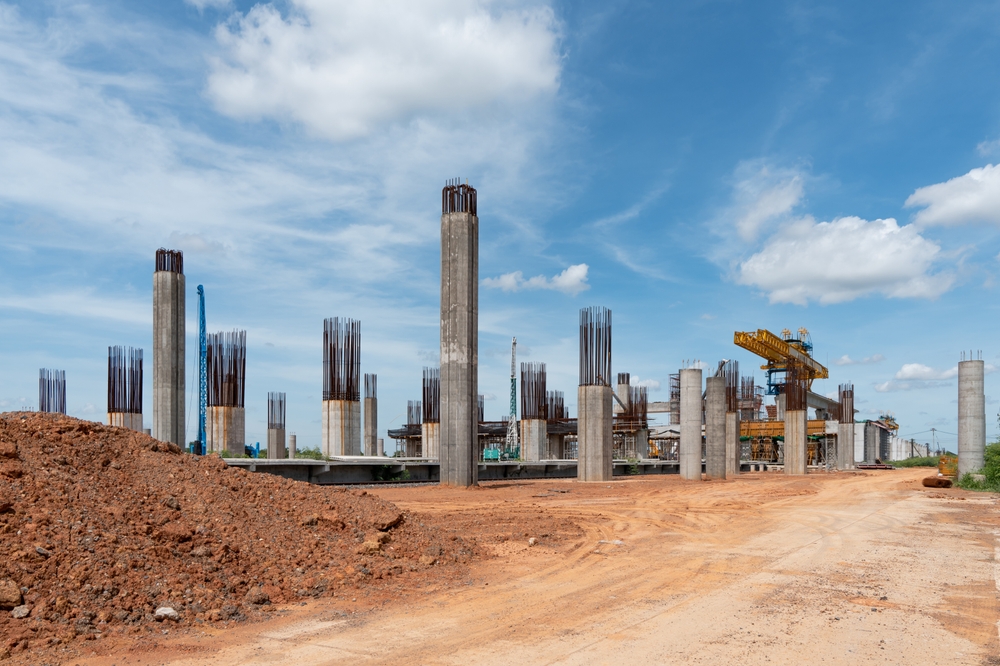
The hustle and bustle of construction sites create dust, debris, and airborne particles that pose significant challenges to worker safety and project efficiency. Beyond the obvious health implications, poor cab air quality can lead to regulatory non-compliance, project delays, and decreased worker productivity. Through proper air quality control measures, construction managers can create a safer working environment that meets stringent requirements and enables workers to perform their tasks more effectively, ultimately improving project timelines and outcomes.
Investing in effective cab air quality solutions, like those provided by Sy-Klone and Polar Mobility, is necessary for any construction job site.
The Importance of Air Quality Control in Construction
Construction activities generate many airborne contaminants that pose serious health risks. Silica dust, released during cutting, drilling, and grinding, is particularly hazardous, as prolonged exposure can lead to severe respiratory conditions.
Diesel particulate matter from heavy machinery and vehicles further compounds the issue, along with general dust and debris stirred up during excavation and earthmoving. Poor air quality inside machine cabs affects operators’ health, causes discomfort, reduces concentration, and ultimately impacts productivity.
Ensuring proper air filtration in these environments is essential for maintaining a safe and efficient worksite.
Regulatory Compliance: A Non-Negotiable
Air quality control on construction sites is heavily regulated to protect workers. Compliance with standards such as OSHA’s silica dust rules or local occupational health guidelines is essential to avoid penalties and ensure safety. Proper air filtration systems, like Sy-Klone’s RESPA® Cab Air Quality Systems, help construction companies:
- Meet air quality benchmarks for workers’ environments.
- Reduce potential health risks associated with prolonged exposure to harmful particles.
- Avoid costly fines or operational delays due to non-compliance.
Enhancing Productivity with Clean Air
Cab air quality plays a vital role in maintaining productivity on construction sites. Contaminants like dust and fumes can lead to operator fatigue, reducing comfort and focus, and ultimately affecting performance. Excessive dirt buildup and clogged filters can also contribute to equipment failures, causing unexpected downtime and costly delays.
Unsafe working conditions may drive employees to seek safer environments, leading to higher turnover and increased recruitment and training expenses. By providing clean, breathable air in operator cabs, companies create a healthier work environment that enhances concentration, reduces illness-related absences, and improves overall efficiency.
Sy-Klone: A Leader in Air Quality Solutions
Sy-Klone’s advanced air filtration systems are designed to combat the challenges construction sites experience with air quality. Products like the RESPA® systems ensure that operators work in a pressurized, filtered cab environment, significantly reducing exposure to harmful pollutants. These systems also protect equipment, extending its lifespan and reducing maintenance needs.
Polar Mobility: Your Partner in Clean Air Solutions
At Polar Mobility, we specialize in integrating Sy-Klone products into heavy-duty machinery for the construction industry. With decades of expertise, we ensure your equipment operates efficiently and your workers stay safe. Whether you’re looking to retrofit existing machinery or equip new fleets, we can tailor air quality solutions to meet the needs of your job site.
Cab air quality control is critical to maintaining a safe, productive, and efficient construction site. By prioritizing clean air through reliable solutions like Sy-Klone systems, you protect your workers, equipment, and bottom line. Ready to improve air quality on your construction site? Contact Polar Mobility today to learn how we can help.