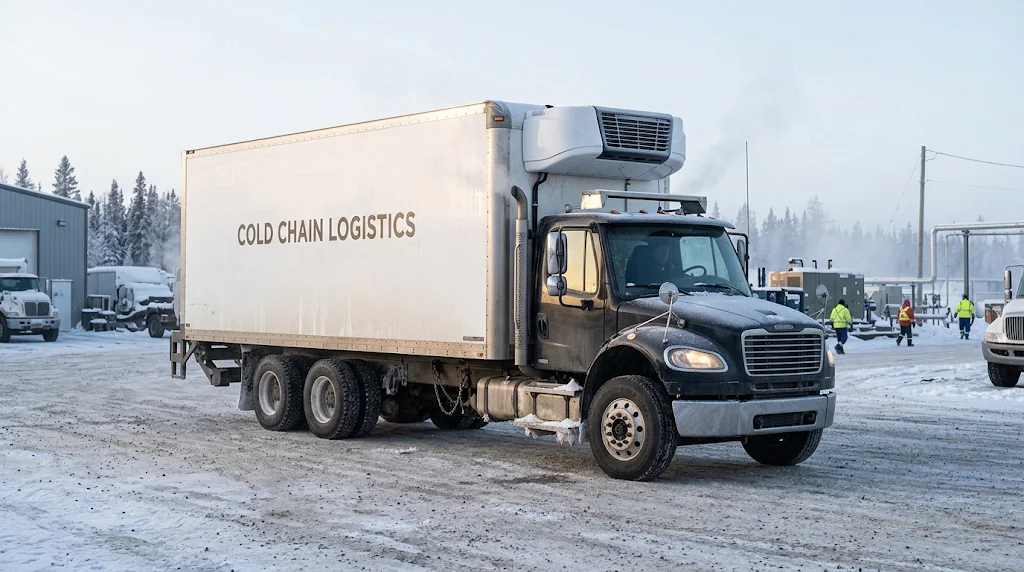


As a business hauling goods that need to be refrigerated, there’s nothing worse than experiencing a breakdown or unexpected failure, which can cause the loss of those goods. Repairs can take time and cause more downtime, costing a lot of money. Having reliable transport refrigeration solutions and a preventive maintenance plan in place can help reduce breakdowns, lost time, and money.
The Benefits of Preventative Maintenance
Regular maintenance is necessary for maximizing the lifespan of any transport refrigeration equipment. Preventative maintenance maintains a clean fuel system, ensures alternator reliability, detects refrigerant leaks, optimizes compressor oil, and prevents breakdowns.
Detects and Fixes Refrigerant Leaks
Leaks can severely impact your refrigeration unit’s performance, causing it to fail when you need it most. During routine maintenance, technicians check the refrigerant levels and inspect for leaks. Any detected leaks are promptly repaired, ensuring the refrigerant circulates properly within the system. This maintains the unit’s efficiency and protects your valuable freight from temperature-related spoilage.
Optimizes Compressor Oil
The compressor is a critical component of your refrigeration unit, responsible for moving and compressing the cooling agent. Over time, the oil in the compressor degrades, leading to increased friction and potential compressor failure. Routine oil changes are key to maintaining the compressor’s efficiency and extending its lifespan. This involves a thorough pump-down procedure and replacing old oil with fresh, appropriate oil, keeping the unit running smoothly and efficiently for longer periods.
Prevents Unexpected Breakdowns
Preventative maintenance reduces the likelihood of unexpected breakdowns. By routinely inspecting and servicing all refrigeration unit components, potential issues are identified and resolved before they escalate into major problems. This minimizes service-related expenses and ensures that your deliveries remain on schedule.
Consistent maintenance helps maintain a reliable track record with clients, safeguarding your reputation and ensuring the smooth operation of your supply chain.
Quality Transport Refrigeration Solutions from Polar Mobility
A regular maintenance schedule for your transport refrigeration units is essential for preventing breakdowns, reducing operational costs, and maintaining timely deliveries. This ensures your refrigeration units remain reliable, protecting your freight and business reputation.
Industry experts estimate that nearly one-third of perishable goods never reach their destination due to inconsistent cooling. What’s the solution? Polar Mobility’s transport refrigeration solutions. Ensuring your business avoids spoilage is crucial. With Polar Mobility, you can guarantee that your products arrive fresh and market-ready every time.
Whether you must deliver produce, transport vital medical supplies, or ensure food reaches remote locations, our comprehensive range of transport refrigeration solutions caters to all vehicle sizes. From compact vans to long-haul trailers, Polar Mobility offers diesel-driven and vehicle engine-driven units tailored to your needs. Our range of units maintains precise and consistent temperatures, safeguarding your cargo against health hazards like salmonella and ensuring compliance with health and safety regulations.
When you choose a Polar Mobility transport refrigeration solution, you’re investing in the safety, quality, and reliability of your transport operations. Let us help you maintain the integrity of your perishable goods, ensuring they arrive as intended, regardless of the journey.