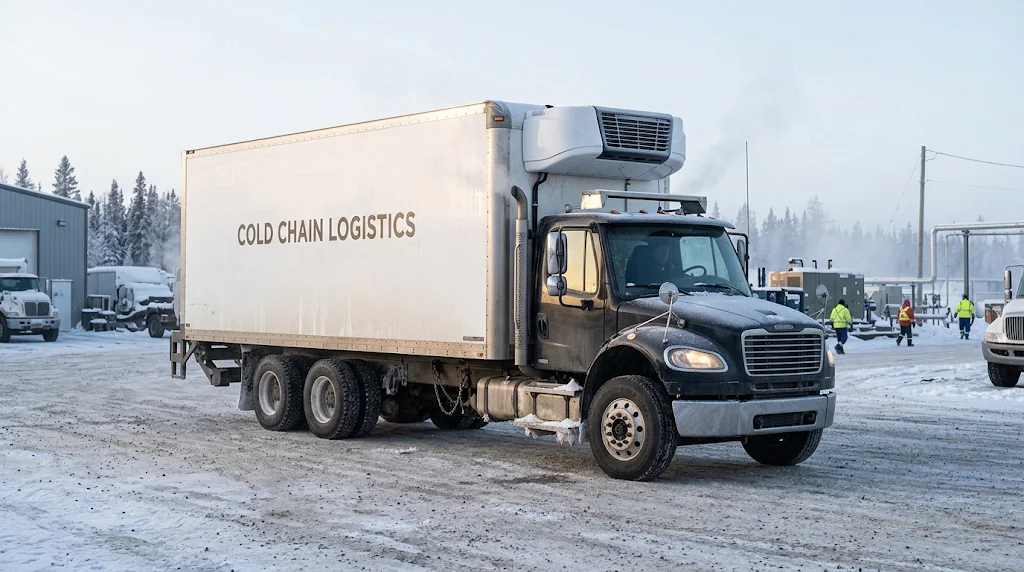


If you install a fan – a forced heating system – the room you are looking to heat will stay warm and comfortable, even in cold weather. There can be many great advantages to having a good fan heater in your mobile unit.
Fan heaters consume less energy and are safe to use because, unlike other space heating models, a heating fan has a circulation device in the form of an electric fan with a power supply.
The advantage of this fan is circulation. It uses gravity convection (i.e. it is electrically powered and can heat the closed space). A forced air heater uses a fan to take in cold air and then blow it through the room, which is an efficient way to heat a large room.

Advantage 1 – A fan heater can save you money
With the fan in winter mode and the combination with other heating methods such as heat pump or gas heating, you can actually save up to 15% of your heating costs. Find out what your radiator is rated for and then use an energy calculator to see how much energy it uses, and then get yourself a heater with a rated heat output that is nice, warm and comfy.
Advantage 2 – Fan heaters are extremely versatile for personal use
Fan heaters are portable, making them convenient and extremely versatile. Although ESPAR coolant heaters are also a good way to go, fan heaters are better for more mobile and versatile uses that only require an electric power source.
Here are a few examples where you can use a portable fan heater:
- If you are camping and you have an electrical power unit, you have the option of using the heater to keep your tent or camper warm.
- If you are helping out with or playing on a local sports team, you can use a fan heater on the sidelines to keep warm when not on the field.
- If you are going hunting or ice fishing and you have a shack, a fan heater keeps your warm and makes for an enjoyable experience.
Advantage 3 – Fan heaters are a great way to keep you warm at work
- If you are working on something in a cooler part of your home, a cold basement, or a drafty room, a fan heater is perfect to keep you warm.
- When in a cold garage, a fan heater makes your work more comfortable.
- Fan heaters are commonly used to keep heavy equipment warm and heavy equipment parts in cold temperatures.
- Fan heaters are commonly found in construction trailers on construction sites for employees to warm up. They are also often used to keep construction workers warm inside the spaces of the homes they are building.
Advantage 4 – Hot air fans circulate the air efficiently
- Hot air systems rely on a certain ratio of temperature to induce circulation. Fan heaters are ideal for keeping the air circulating.
- Fan heating can also be quieter than some other types of heating, as it has to move constantly to distribute heat.
- Depending on the type of heater, the elements of the heater themselves can get very hot. Many fan heaters have a setting that allows you to adjust the heat distribution, and some even have thermostats so you can choose a certain temperature.
Safety tip: If you choose a fan heater, make sure you choose one with automatic shutdown if it gets too hot. Follow the recommendations for keeping the fan heater at distance from other objects in the room.
Final thoughts
The most important thing to consider when buying a room heating system is what kind of room you want to heat. You could accidentally buy too big or too small of a heater fan and its output. Understanding the square feet of the space you are in will allow you to choose the right size fan for your need. Simply check the fan you are interested in buying to ensure it will heat the area you need it to by finding out how much space the fan will cover.