


Transportation services ensure all our grocery shelves are stocked year-round with cold and frozen food. You can thank refrigerated transportation services that started all the way back in the 1800s and the growing innovation around this concept since.
Certain types of freight and goods that need to be transported in vehicles are mostly shipped with a refrigeration solution built into the vehicle. This simple and effective system keeps products at a desired temperature throughout the transportation process. Let’s take a closer look at some of the benefits of transport refrigeration services below.
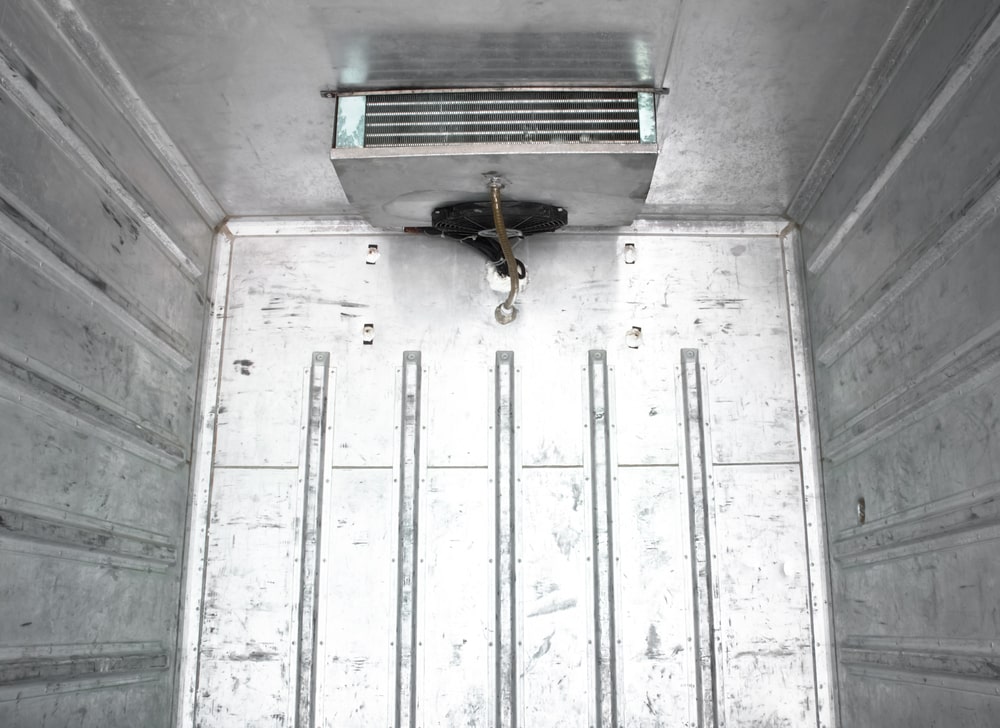
1. Ensures steady, regulated temperature needed for certain goods
Food manufacturers use cold storage factories where they keep products regulated at a specific temperature year-round. When you are handling certain food products, the temperature during transport must be kept at a steady setting during the entire transportation process.
2. Minimizes product loss
Did you know that about 33% of cold and frozen food shipped in North America does not make it into consumers’ hands? This waste is caused by a lack of attention in keeping the temperature of the food consistent throughout transportation.
The temperature setting varies depending on the type of food. Goods such as meats, dairy, fruit, and vegetables are kept refrigerated at specific temperatures to ensure they do not spoil by getting too warm or too cold.
3. Meets the demand for at-home food delivery
Transport refrigeration services are used in many different ways to keep goods and food cold or frozen. With the recent increase in-home delivery services, many smaller food delivery trucks use home transport refrigeration units in their vehicle to ensure products stay fresh all the way to the final destination.
4. Transport refrigeration services uphold certain standards
There are many things that refrigeration services need to consider when transporting cold and frozen goods, including:
The goods being transported must be pre-frozen to the desired temperature before transport and the temperature of the vehicle must be the same.
Cargo should never be loaded over the load line of the vehicle container because overloading could cause damage to the product.
The atmosphere of the vehicle must be in a closed dry place. Humidity can cause issues in upholding the product’s integrity. The packages of the goods should also be moisture-resistant.
Without the knowledge and experience of companies specializing in transport refrigeration services, manufacturers and suppliers risk significant product loss that can impact their bottom line. The difference between profit and loss can be a simple temperature setting five degrees off, highlighting how crucial proper refrigeration transport solutions are to companies and to end consumers across the globe.