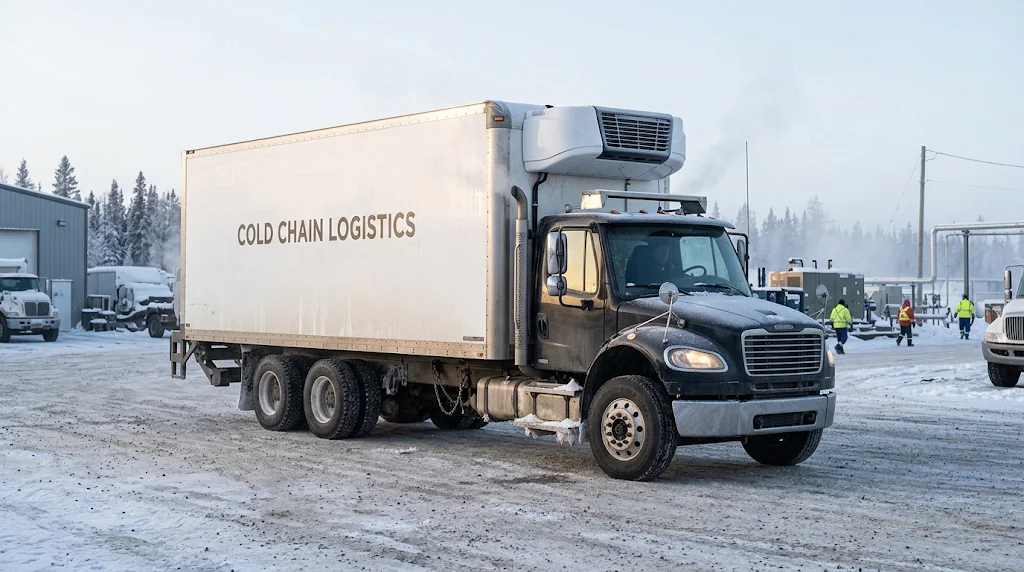


Historically, diesel engines were primarily used for large trucks and heavy equipment. Diesel continues to be a preferred source of power for many industries including construction, mining, transportation, hospitals, marine, and underground applications.
Diesel is a critical energy source for many reasons. Today, we’re talking about the top benefits of a diesel-fired engine heater for mobile equipment.

1. Lower fire hazard
For the mining sector, this is a crucial factor for the safety of operators and everyone involved. The difference is credited to the type of ignition that diesel-fired heaters operate with.
Units that utilize gas rely on spark ignition, a serious fire hazard for underground applications. Diesel-fired engine heaters operate on compression-ignition to ignite the fuel; using compressed hot air to ignite the fuel instead of a spark. This is a requirement for equipment used in mining as it greatly lowers the risk of sparking a fire underground.
2. Better fuel economy
Diesel-fired engine heaters require less fuel to generate power due to their higher compression rating. While gas appears to be the lower-priced option, diesel-fired heaters eat up less fuel in the long run which translates to cost-savings.
3. Higher energy density
By definition, the higher the energy density of a material, the greater the amount of energy stored in its mass. This means that more energy can be extracted from diesel-fired heaters as compared with the same volume of gas.
4. Lower maintenance
Without the need for spark ignition, diesel-fired heaters require less maintenance and reduce the risk of electrical failures. By using compressed hot air to ignite the fuel, diesel-fired engine heaters often see a better lifespan.
5. Higher boiling point
In combination with using compression-ignition, diesel-fired engine heaters provide a higher temperature in the engine compared to a gasoline engine. This is because diesel is heavier and oilier, which makes this energy source ideal for heavy-duty mobile equipment.
Key takeaways
Diesel-fired engine heaters have long been utilized in industrial applications, for the properties that make it highly efficient and cost-effective. For many industries across the world, diesel-fired engine heaters are a key component to continuing safe operations.