
Fuel-fired heaters offer many solutions in regards to what you may be looking for. These types of units are commonly found in many types of atmospheres and industries including operational machinery, buses, trucks, industrial processes, and plants.
Here are 5 things to know about fuel-fired heaters….
1. What are fuel fire heaters most commonly used for?
- There are many kinds of uses for fuel fire heaters as they are an extremely versatile type of heater that can adapt to many different needs.
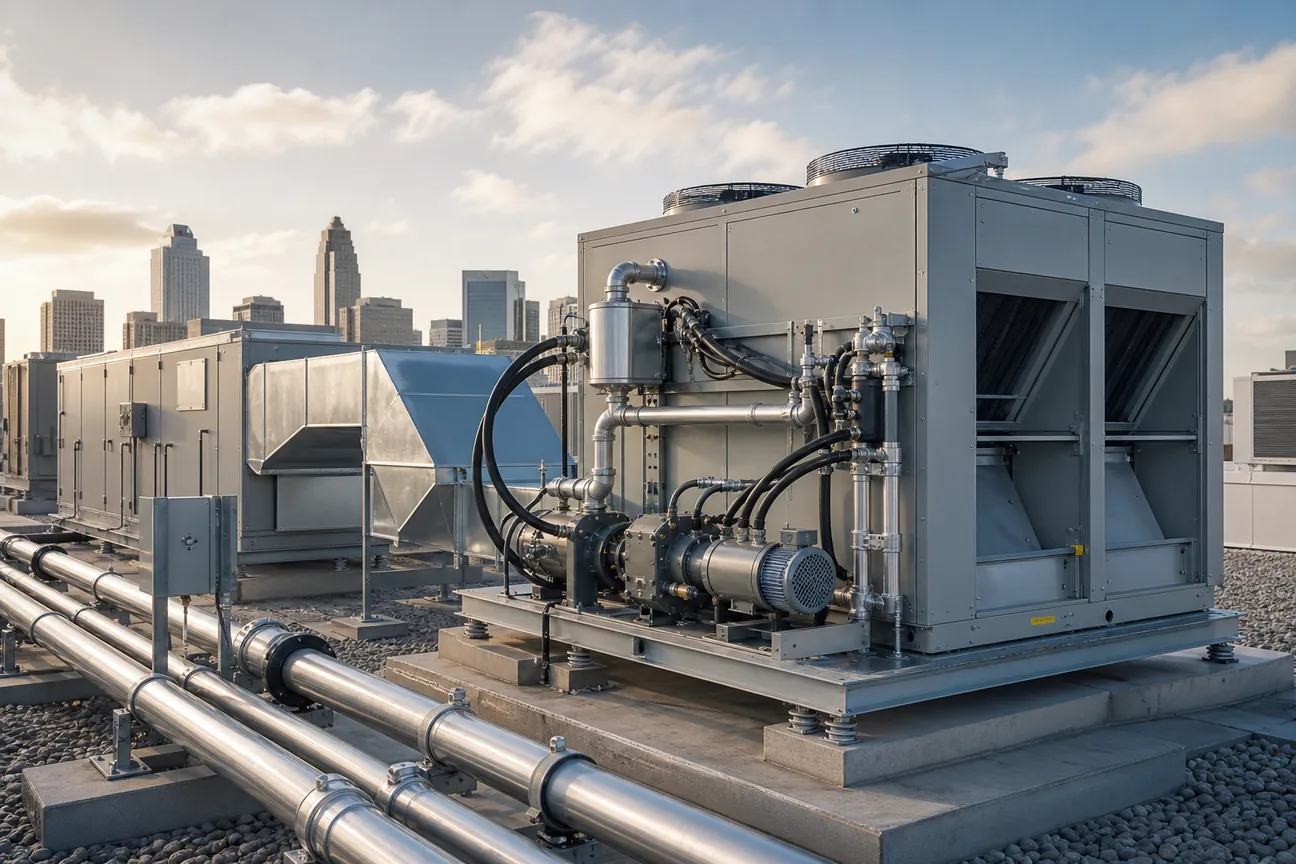
- Fuel-fired heaters can be found in many industrial plants as tested and trusted and efficient ways of heating a facility. Many plants have products and goods that need to remain at a certain temperature to ensure the integrity of the perishable products, not to mention, keeping employees working in a comfortable atmosphere.
2. How do different industrial processes benefit from fuel fire heaters?
There are many industrial processes that these heaters are used for. Many machines that have gears, pulleys, and cylinders are often kept inside in the winter to ensure they keep working in top shape. In some places, like Canada, it can get pretty hard on these machines to be woken up from a -40 sit overnight.
3. How do engines benefit from fuel fire heaters?
- Have you ever seen someone turn the key of a truck and wait for a light to turn on before they turned the key to start the vehicle or large machinery? That is because that vehicle or equipment is diesel operated.
- Many diesel-operated vehicles and operational equipment contain fuel-fired heaters to keep engines preheated, such as farm equipment, and machinery, diesel buses, trucks, and large industrial machines. These types of engines use less fuel and have better omissions.
4. How can fuel-fired furnaces work in your facility?
If your fuel-fired furnace is gas-based, gas-based furnaces are commonly found in factories, plants, and other large industrial facilities. Something about gas furnaces to keep in mind is that gas furnaces burn either propane or natural gas, so they are generally designed to burn only that specific gas.
5. Can you save money by using a fuel-fired furnace?
Who doesn’t want to save a few bucks? Natural gas furnaces are more efficient than fuel oil furnaces, so it’s possible to save on your energy bills and significantly decrease your overhead after you convert to a fuel-fired furnace.
There are a few types of fuel-fired heaters to choose from…
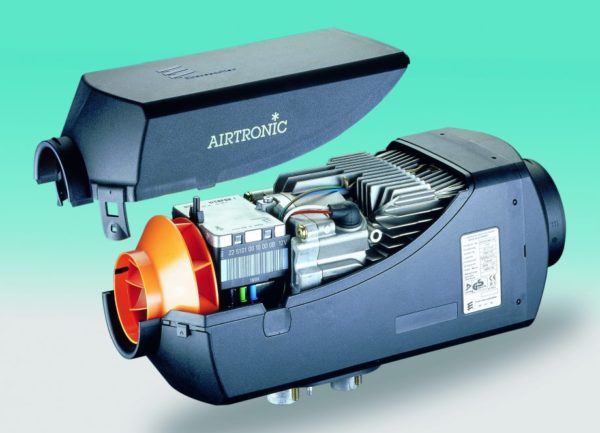
Air Heaters use air and not liquid to heat the area while hydronic/liquid coolant heaters are used for keeping perishables at a certain temp and are commonly used to keep cabs warm. There are two types of heaters that rely on fuel to operate: diesel fuel and gas-fueled heaters. Both diesel fuel and gas-fueled heater energy sources are pulled from the equipment they are installed to.
Things to keep in consideration when choosing a heater…..
When you are choosing a fire-fueled heater, be sure to consult an expert to match the best type of heater for your needs and ensure your heater is professionally installed by a reputable fire-based heater supplier.