
Each mobile air conditioning/HVAC unit and system is designed for a specific use – whether it’s for on-highway vehicles or off-highway equipment. In Canada, whether you’re in Manitoba, the Northwest Territories, Alberta, or Ontario, mobile equipment air conditioning and HVAC units are crucial for industries like construction, forestry, mining, trucking, oil and gas, and the military.
These operations require high-capacity systems that are durable, can handle tough working conditions, and – most importantly – keep workers safe and comfortable.
The 4 main types of mobile equipment air conditioning/HVAC units
- Heating and Cooling Split System – This split system provides a combination of both heating and cooling, using refrigerant compressors and coils to cool the air and a fan that blows hot air. This mobile HVAC unit is one of the most popular across many industries that rely on commercial mobile equipment, especially in the Canadian climate where seasons change and the weather is unpredictable.
- Hybrid Split System – While this system is similar to the heating and cooling split system, the difference with a hybrid unit is that you can switch between gas and electric power. For operations that run long hours and are looking to keep energy costs down, a hybrid split system is an excellent solution.
- Duct Free (Mini-Split) – This HVAC system can be mounted on indoor walls or attached to an outdoor compressor and encompasses individual units for independent control. For example, if you’re setting up a temporary clinic or work area for a remote site, you can heat or cool only the area being used to conserve energy.
- Packaged Heating and Air – Designed to be portable and easy to use for a wide range of applications, packaged heating and air are compact systems that are electrically generated or with a combination of both gas and electric.
What type of air conditioning/HVAC system is ideal for your operations?
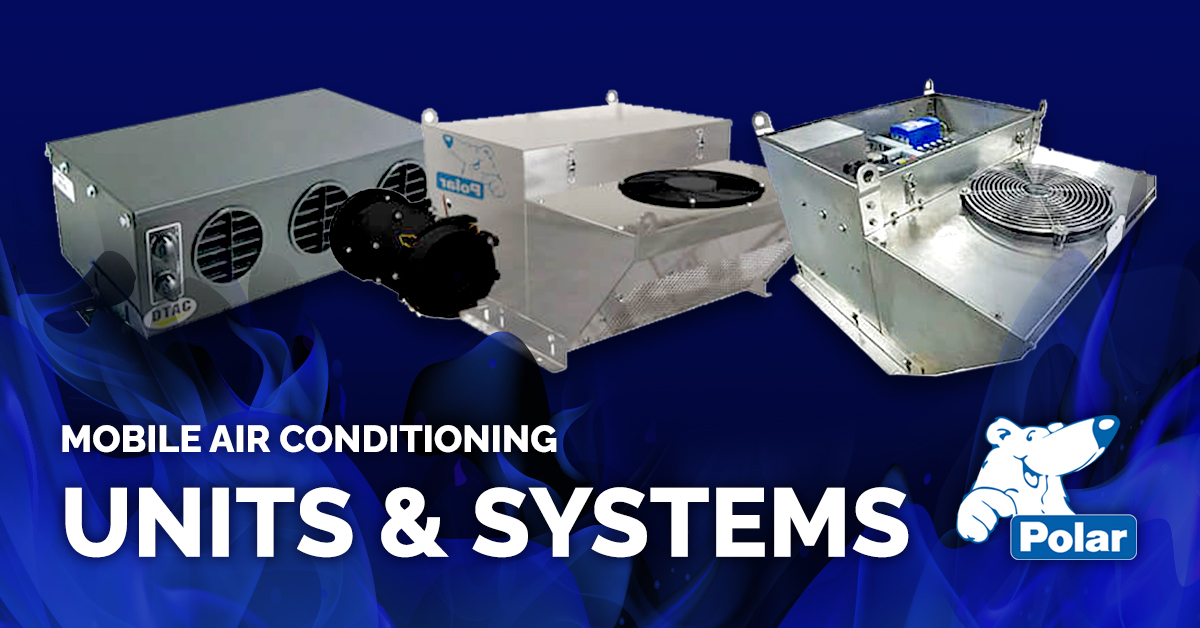
- Light to medium-duty on and off-highway equipment – Equipment such as skid steers, excavators, forklifts, service vans, trucks, and agricultural equipment can benefit from installing a 12-24 VDC drive, a compact and lightweight unit that delivers consistent, uninterrupted power. At Polar Mobility, our 12-24 VDC drive air conditioning units are made of a stainless steel, sleek design that can handle tough environments and can be mounted horizontally or vertically.
- Heavy-duty equipment, construction sites, and military operations – High voltage air conditioning/HVAC systems are designed for any worksite that requires power to transfer across long distances or needs a heavy-duty unit that can provide bulk power.
- Underground equipment and petrochemical plants – For environments that restrict the use of open flames to prevent dangerous explosions, a hydraulic unit is needed. This type of system utilizes a hydraulic motor to drive the AC compressor instead of the engine, using incompressible liquid instead of gas. They are commonly found in underground mining operations and heavy-duty equipment such as haul trucks and bulldozers.
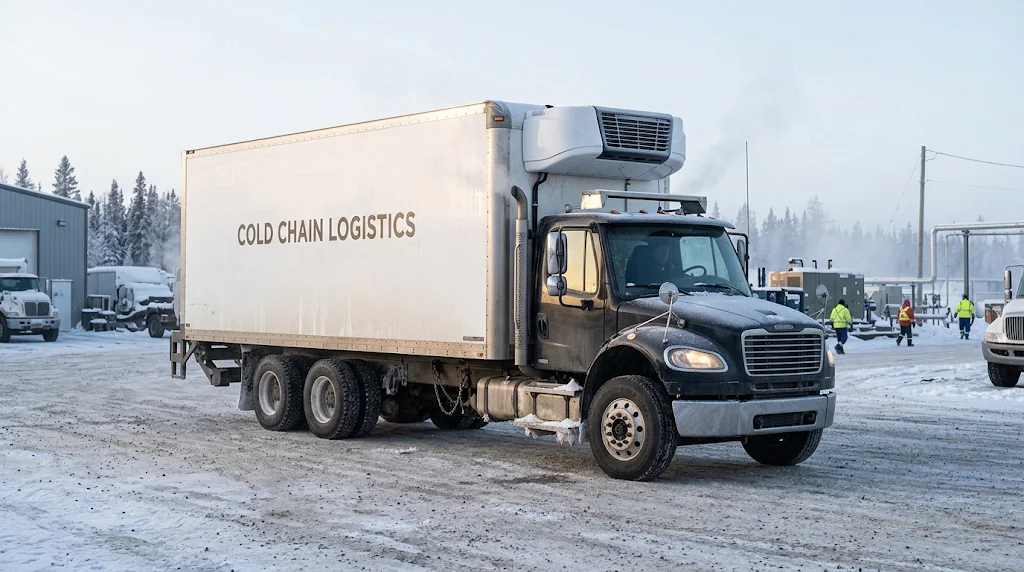
- On-highway trucks and service vehicles – Trucks, buses, service vehicles, and emergency vehicles need a reliable mobile A/C unit that is easy to install, is low maintenance, and have servicing and replacement parts available. Polar Mobility’s mobile A/C units are versatile and can work for a variety of on-highway vehicles.
At Polar Mobility, we supply some of the industry’s top mobile heating and cooling products, including air conditioning units and HVAC systems. If you can’t find what you’re looking for in our catalog, give us a call and we can help customize a solution for your specific worksite or equipment.