
Seasonal Transport Refrigeration Checklist for Fleet Managers
When it comes to transporting cold goods across the country, reliability is more than just a goal—it’s a requirement. Transport refrigeration systems don’t usually fail without warning. Instead, they lose efficiency over time. Temperatures begin to rise, small leaks go unnoticed, and suddenly, those minor issues turn into costly load losses and unhappy customers.
Seasonal inspections are your best defense. By catching problems early, you keep your cold chain reliable and your overhead predictable. In this transport refrigeration checklist, we give fleet managers a practical framework to reduce downtime, protect cargo, and stay compliant regardless of the weather.
Seasonal Transport Refrigeration Checklist
1. Start with a Full Visual Inspection
Begin with what you can see. Walk around the unit and inspect the housing for cracks, loose panels, or signs of impact.
- Look for leaks: Check for oil residue, coolant stains, or corrosion around fittings.
- Check mounts: Inspect vibration points and mounting bolts to make sure they’re secure. Physical damage often signals deeper mechanical issues that could lead to a breakdown mid-route.
2. Confirm Temperature Accuracy
Accurate temperatures protect both your cargo and your contracts. A unit that feels cold isn’t enough—it has to be precise.
- Calibration: Verify the unit reaches the set temperature within the expected timeframe.
- Cross-check: Compare onboard sensor readings with an independent, calibrated thermometer.
- Uniformity: Check for temperature variations inside the trailer or cube. If readings don’t align, your sensors likely need professional calibration.
3. Inspect Airflow Inside the Load Area
Restricted airflow is a leading cause of uneven cooling and hot spots.
- Evaporator Fans: Check that fans are operating at full capacity and are free of obstructions.
- Clear Paths: Make sure air chutes and return air paths are clear of debris.
- De-icing: Remove any ice buildup or packaging debris that could block the flow. Consistent airflow keeps the temperature stable from the front of the unit to the rear doors.
4. Check Fuel, Power, and Electrical Systems
Reliable power is the heartbeat of your refrigeration unit. Be sure to inspect:
- Fuel & Lines: Inspect fuel lines, filters, and connections for any signs of wear or clogging.
- Battery Health: Test the battery condition and the charging system to make sure it can handle the strain of seasonal temperature swings.
- Wiring: Look for worn wiring, loose connectors, or corrosion. Electrical faults remain one of the most common causes of roadside failures.
5. Examine Belts, Hoses, and Moving Components
Mechanical wear increases with every season of use.
- Tension: Check belt tension and alignment; a slipping belt reduces cooling efficiency.
- Condition: Inspect hoses for cracks, leaks, or swelling.
- Noise: Listen for abnormal noises during startup and operation. Replacing a worn belt or hose during a scheduled check is significantly cheaper than an emergency roadside repair.
6. Test Defrost and Drain Systems
Moisture management is critical, especially during seasonal transitions.
- Cycles: Confirm that defrost cycles activate properly and clear the coils.
- Drainage: Check drain lines for freezing or blockages. Poor drainage leads to ice buildup on the evaporator, which eventually chokes off airflow and stops the cooling process entirely.
7. Review Controls, Alarms, and Monitoring
Your control system is your early warning system—make sure it’s speaking to you.
- Alerts: Test temperature and fault alarms to make sure they trigger correctly.
- Data Logging: Confirm that data logging is active and recording correctly for compliance audits.
- Remote Systems: Be certain your telematics and remote monitoring systems communicate reliably with your home office.
8. Confirm Compliance and Documentation
In the food and pharma industries, if it isn’t documented, it didn’t happen.
- Records: Review all service and inspection records to make sure they are up to date.
- Data Storage: Check that temperature data is stored and easily accessible for regulatory audits or insurance claims.
- Requirements: Confirm your units still meet specific customer and regulatory requirements.
9. Schedule Preventive Service Before Peak Demand
The best time to service your fleet is before the heat of summer or the deep freeze of winter hits. Preventive maintenance extends equipment life, stabilizes your operating costs, and gives you the confidence that your fleet can handle the workload. Waiting for a failure always costs more in lost cargo and emergency labor rates.
Transport Refrigeration Options Available From Polar Mobility
Seasonal planning is also the perfect time to evaluate if your current equipment still matches your operational needs. At Polar Mobility, we provide transport refrigeration systems specifically designed for the rigors of Canadian operating conditions.
Whether you are looking for new installations or upgrades, we carry a range of high-performance products:
- Trailer Refrigerated Units: Designed for small insulated trailers (12 to 18 feet), these units are perfect for local and regional deliveries where consistent temperature control is critical.
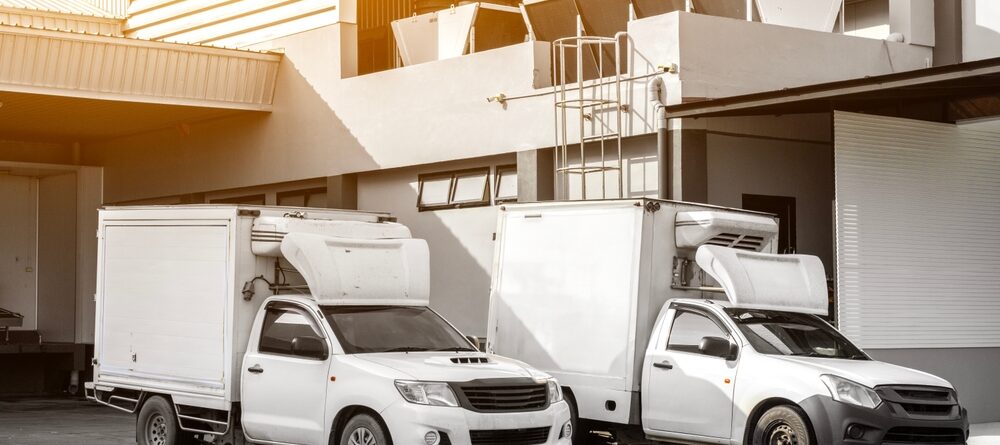
- Refrigerated Cubes: Ideal for pickups or vans, providing dependable cold chain performance without the need for a full refrigerated truck.
- PTR Series Split Units: These offer flexible installations, allowing components to be positioned to suit unique vehicle layouts and specific operational needs.
Choosing the right system improves temperature stability, reduces equipment strain, and significantly lowers the risk of in-season failures. For more products, check out our catalogue.
Keep Your Fleet Moving With Polar Mobility
Seasonal checks help prevent problems, but expert support completes the picture. After you’ve completed our transport refrigeration checklist, it’s time to call in the pros. Polar Mobility is dedicated to supporting fleets that operate in demanding environments. From providing top-tier refrigeration products to expert van and trailer conversion services, we help keep your cargo at the perfect temperature from point A to point B.
Ready to upgrade your fleet or schedule your seasonal service? Contact Polar Mobility today to get the transport refrigeration products and conversion services you need to stay ahead of the curve.