

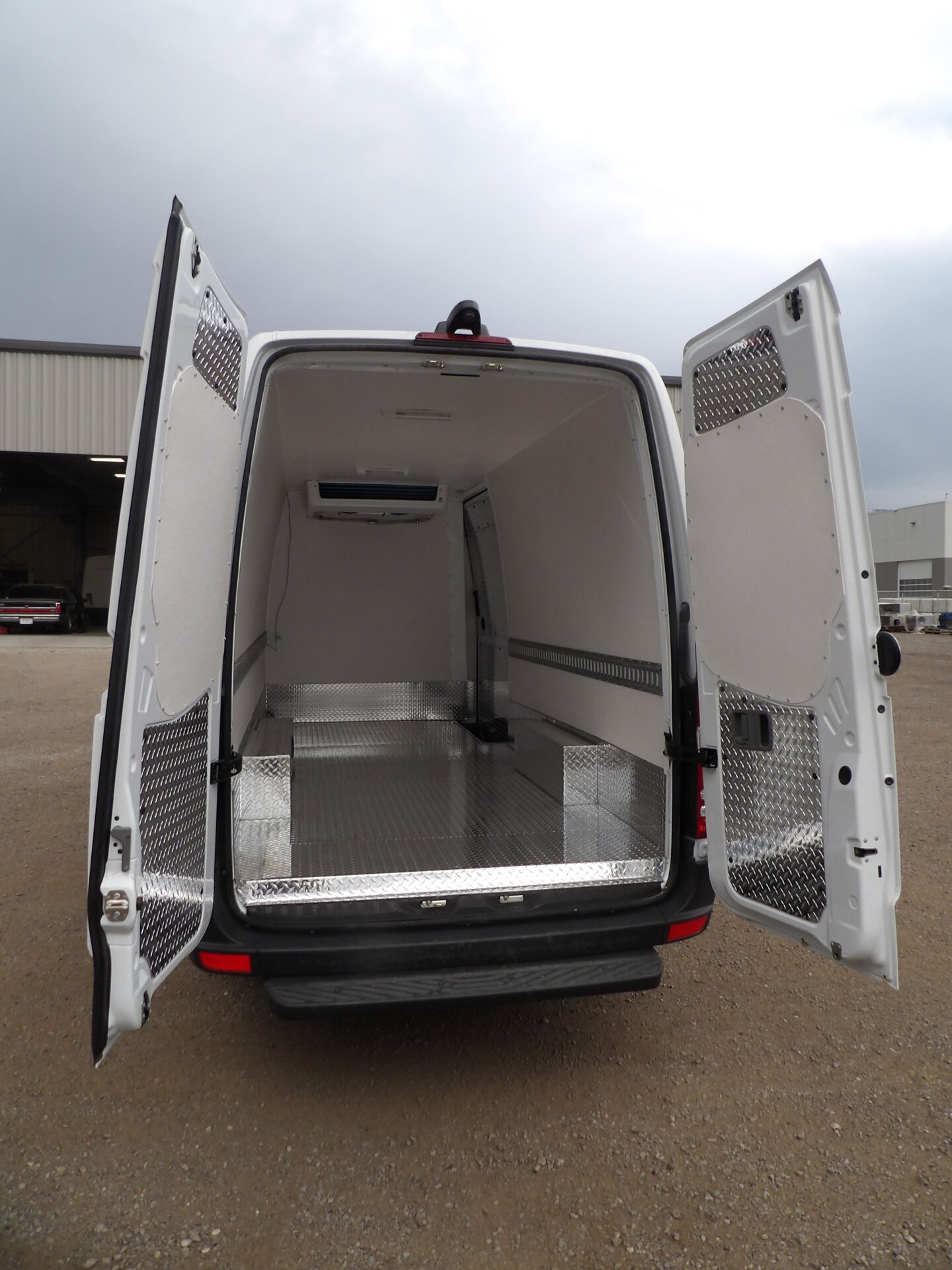
An estimated one-third of perishable goods never make it to their destination because of improper cooling. Transport refrigeration units require complex components capable of maintaining consistent temperatures and is one of the most challenging refrigeration applications to perform.
The best transport refrigeration units are able to handle:
- Harsh environments
- Resist corrosion
- Fluctuating temperatures
- Constant shifts and vibrations
What are the components of a transport refrigeration unit?
There are three key components of transport refrigeration systems that enable them to work at the top level:
1. The evaporator – absorbs heat from the air with cold liquid refrigerant.
2. Compressor – Pumps the refrigerant into a high-pressure gas.
3. Condenser – Removes heat from the refrigerant gas and turns it back to liquid.
Whether it’s a single delivery van or a large fleet, these critical parameters ensure that food supplies, flowers, medical products, and other perishables will reach their destination safely with properly controlled temperatures.
Reliable transport refrigeration systems
With Polar Mobility refrigeration units, you’ll find systems that are optimized for a variety of transportation. These industry-leading units go above and beyond the standard requirements.
Solutions are provided for small trucks and vans to long haul vehicles and trailers that address space constraints requiring compact components, including smaller 8-24 ft applications. Polar Mobility transport refrigeration units work successfully to remove heat from inside the fridge compartment to ensure that products remain at consistent temperatures.
Top-quality transport refrigeration systems
Polar Mobility stocks and manufactures several transport refrigeration units including Kingtec products that offer:
- Silent diesel engines
- Clean operation
- Environmentally friendly electric stand-by system
- Auto cooling by temperature
- Maximum cab clearance
- In-Cab display features
- Lightweight Aluminum construction available for increased payload
- Chlorine-free refrigerant
- Auto defrost system
- Auto phase failure correction
Each mobile application provides the food, medical, and perishable goods industry the right solutions for their cooling needs.
Can’t find a unit specific to your needs?
Consult with Polar Mobility today for a custom solution, complete with insulation packages. The experienced team is able to design, innovate, and manufacture transport refrigeration systems that are able to meet any industry needs.
Call Polar Mobility for the quality of mobile equipment that can be delivered globally and locally.