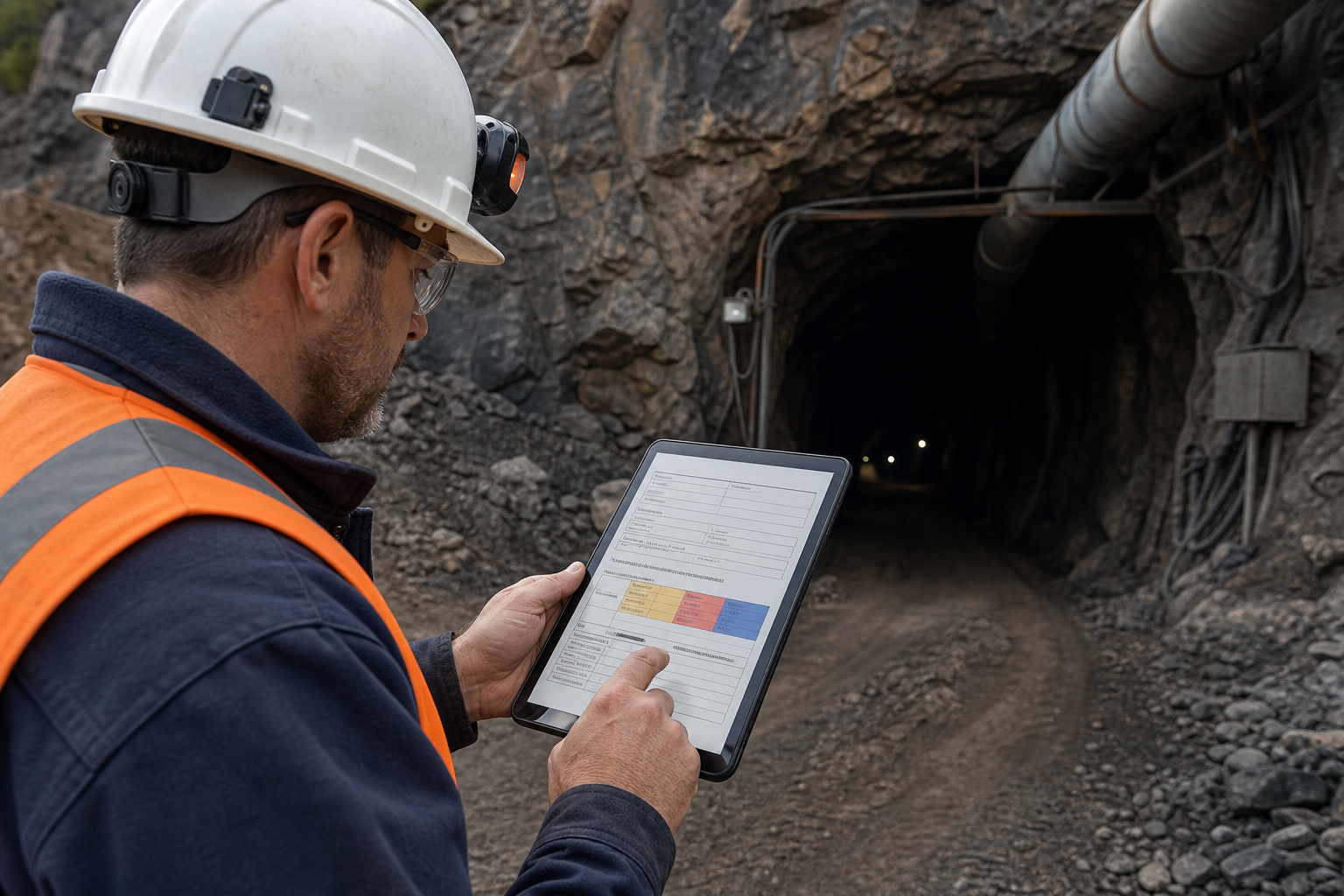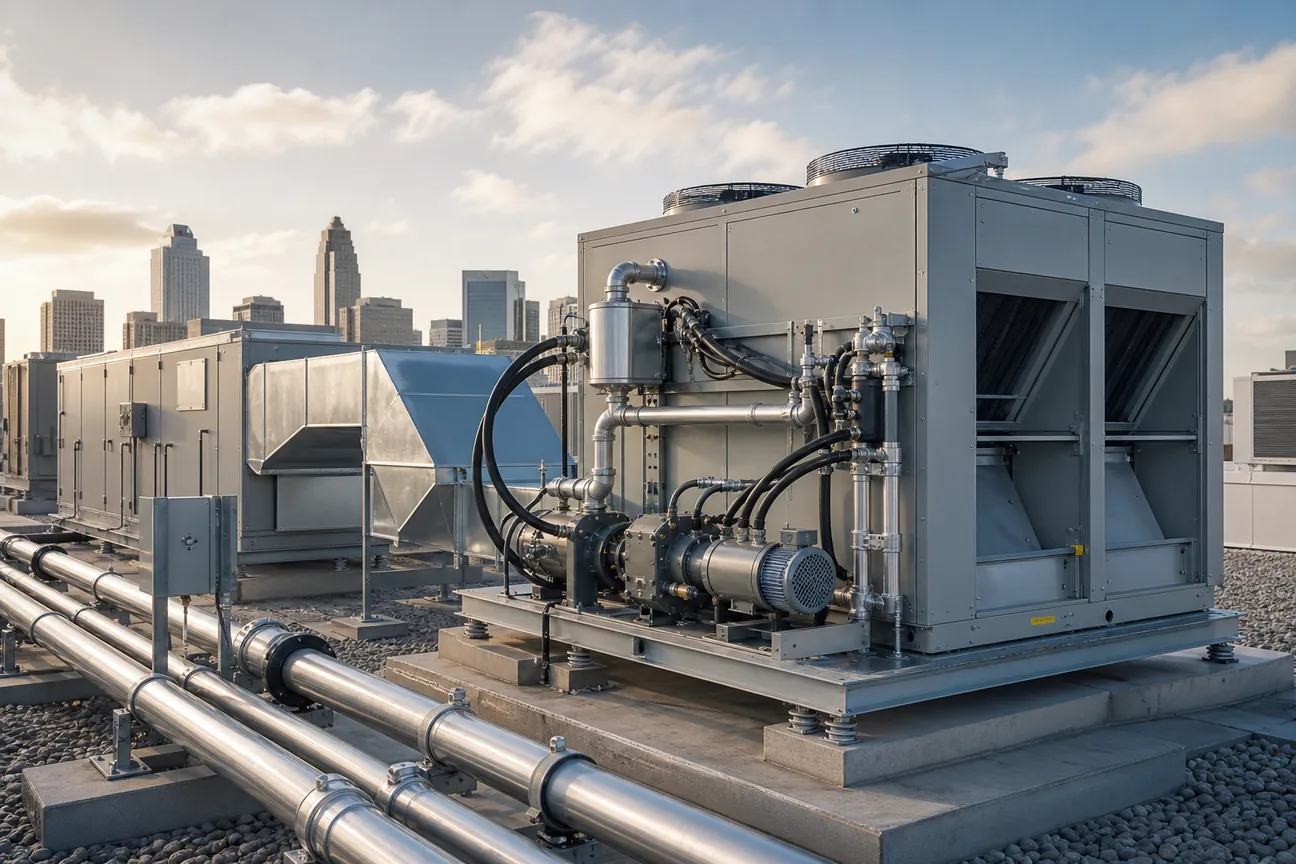

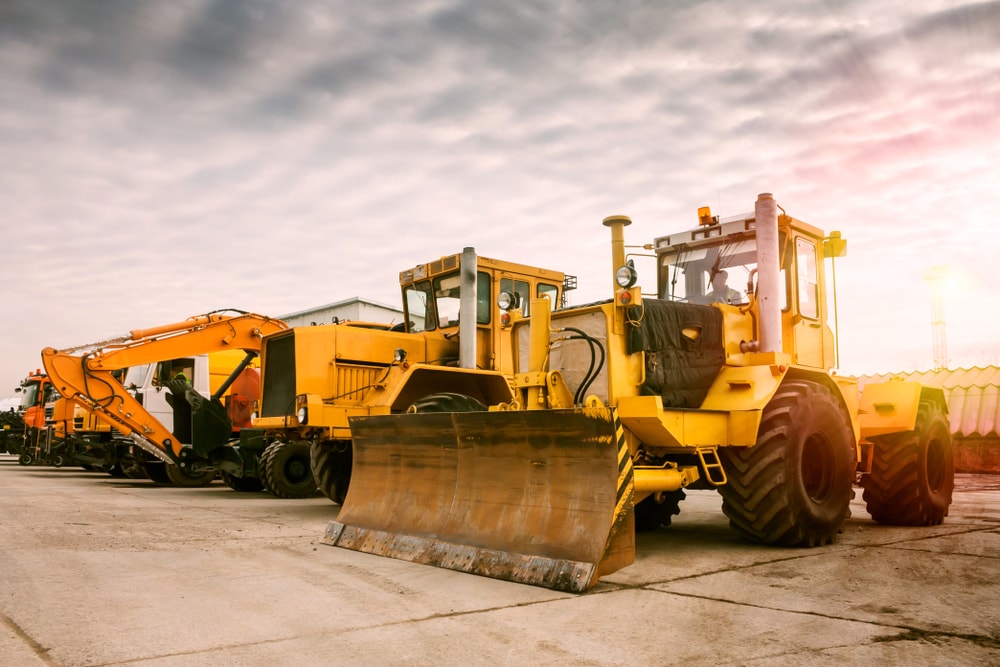
For industries that operate in extreme weather conditions and ever-changing elements, maintaining a comfortable work environment for employees takes top priority. This highlights the importance of investing in the proper mobile equipment HVAC system to get the job done safely and efficiently.
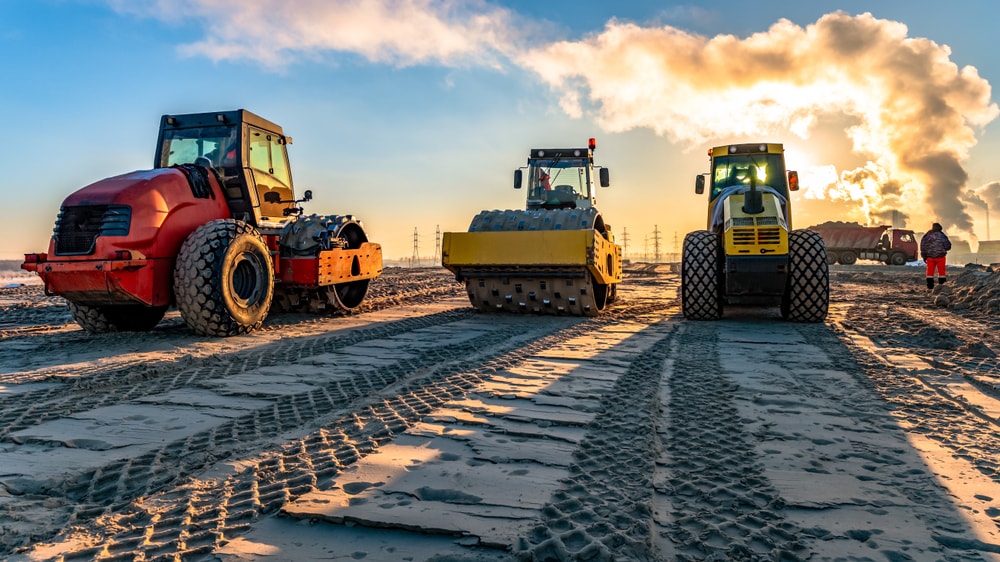
Without the right mobile equipment HVAC system, companies risk:
- Increased downtime
- Decreased productivity
- Loss of transported goods
- Not meeting industry regulations
- Job dissatisfaction
- Dangerous working conditions
In this guide, we’ll walk you through some of the most important factors to consider when choosing a mobile heating and cooling solution for your industry’s heavy equipment needs.
Size of Your Mobile Equipment
Whether your employees operate in freezing temperatures or in the heat of summer, making sure your mobile equipment air conditioning and heating system is sized correctly is critical to maintaining comfortable conditions.
A unit that is too small for larger applications can fail in the middle of operations and lead to preventable downtime, costly replacements, and the loss of goods. The proper size for your mobile equipment HVAC system ensures that it can handle even the most extreme temperatures.
Consider The Elements
Too often, companies focus primarily on climate control for their mobile heavy equipment. While this remains an important factor, another detail to take into account is the elements that workers are exposed to. The air quality that you and your employees breathe have a significant impact on your body and your ability to work comfortably.
A quality mobile equipment HVAC system is a solution for industries such as mining and construction that are exposed to:
- Pollution
- Asbestos
- Toxic gases
- Toxic chemical compounds
- Mold
- Dust
- Carbon Monoxide
- Nitrogen Oxide
Providing cleaner air quality protects you and your workers from irreversible lung damage and ensures that your work environment is safe and healthy.
Prioritize Industry Regulations
For companies that transport perishable goods such as food, flowers, and medical supplies, specific industry regulations and code compliance need to be followed. This includes having the proper mobile equipment air conditioning system for your specific application.
In Alberta, the only province that has a registered trade “Transport RefrigerationTech”, government inspections are required to ensure the safety of product storage, loading temperatures, and sanitized environments.
It is important that all transportation equipment have the below components:
- Hazard analysis
- Sanitation
- Monitoring
- Preventative controls
- Recordkeeping
- Corrective actions written into a Preventative Controls Plan
The Bottom Line
For any industry that requires mobile equipment HVAC systems, installing the proper unit is essential to the health of a company’s workers and their bottom line. With a significant impact on the business, it’s worth the financial and time investment in seeking a reliable and durable system.